 Micro simulation · schedule 2 min
Can you drive AI adoption across a resistant organisation?
NetBox is a fast-growing streaming business with an AI problem. Across the company, teams have been adopting AI tools on their own, with no standards, no oversight, and no paper trail. The legal and reputational exposure is mounting.
The business has decided to act. An AI Governance Office is being set up, and you have been brought in to lead it.
It sounds straightforward. It isn't. Key stakeholders have competing priorities, some have serious reservations, and you cannot force change on people who do not want it.
How you engage, who you bring on board, and what you prioritise first will determine whether this change lands, or quietly dies.
Three decisions. Two minutes. What kind of change leader are you?
Prioritise your stakeholders
You are leading the rollout of the AI Governance Office at NetBox. Before you begin engaging with the organisation, you need to decide who to speak to first.
Rank the stakeholders below in the order you would engage with them; place the person you wouldapproach first at the top. Think about their seniority, reputation, how connected they are across the organisation, and their attitude towards the project.
Drag to reorder, or use the ↑↓ buttons.
- ⠿
 Andre BeaumontMember of the Senior Executive TeamRelatively new to the organisation; has raised strong concerns about the project direction.
 - ⠿
 Diane HarringtonSVP, most senior member of the executive teamHighly connected across the organisation; limited time to dedicate to the project.
 - ⠿
 Edward BloomReports to AndreHas a good relationship with you; leaning towards supporting the project.
 - ⠿
 Frank BootheReports to AndreKnown for making the impossible possible; very well connected across the whole organisation.
 - ⠿
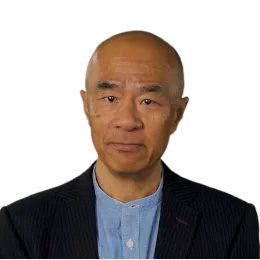 Ike ChanReports into Finance & HRThe go-to person for financial queries; has significant reservations about the project.
Stakeholder prioritisation
There is no single correct answer here. Experienced practitioners weigh these factors differently.
Things to consider
As the most senior person in the room, Diane's visible backing gives the project a legitimacy no one else can provide. Secure her support early, then step back — her limited availability means investing too much time here has diminishing returns.
A core principle of change management is not to neglect high-profile opponents — his seniority means his resistance can spread, and leaving it unaddressed allows opposition to quietly take root. Engaging him early gives you the best chance of shifting his position before it hardens.
Frank is more junior than Andre, but his exceptional connections mean informal influence often matters as much as formal authority. Making him a champion early can create momentum that seniority alone cannot buy.
Edward is already leaning towards supporting the project, making him less urgent than opponents or key influencers. Bring him along steadily as an early champion, but don't push him to the front of the queue.
Ike has reservations, but his limited connections mean his opposition is less likely to spread, and he tends to engage more comfortably once a project is established. Don't push him too early, but don't lose sight of him — late adopters can still matter.
Meeting with Andre Beaumont
Head of Sales & Marketing
You have arranged a meeting with Andre to discuss his concerns about the AI Governance Office. He has been a vocal opponent and you know this conversation matters. He is relatively new to the organisation, so you have little existing relationship to draw on — this is only your second time speaking one-to-one.
How do you respond?
Meeting with Andre Beaumont
With Andre, you are at the very beginning of the trust cycle. You do not yet have the relationship or insight needed to influence him effectively, which should shape how you approach this conversation.
'Ask him to walk you through specifically where he thinks governance would create the most friction for his team.'
This sits firmly in the Insight & Relationship phase of the trust cycle — before you can influence Andre, you need to understand what is actually driving his concerns. Asking him to walk you through the friction points shows genuine curiosity and builds the rapport that later influence depends on.
'Acknowledge his concerns and ask him to help shape how governance works in practice for Sales & Marketing, so it fits around how his team operates.'
Co-designing a solution moves towards Understanding & Influencing and is a powerful way to build ownership. The challenge is timing — without first understanding what is driving his concerns, you risk building a collaborative process around the wrong problem.
'Point to a recent competitor fine for improper AI use and explain that the risks of operating without controls are too significant to ignore.'
Pointing to a competitor fine skips the insight phase and sidesteps Andre's actual concern about pace and autonomy. It's not without merit, but leading with risk at this stage of the relationship can feel like deflection rather than genuine engagement.
'Explain that the governance framework has full executive backing and will need to apply consistently across all departments, including Sales & Marketing.'
Asserting executive authority signals that Andre's concerns don't matter and bypasses the trust cycle entirely. For someone who values speed and autonomy, this hardens resistance — you may win the argument in the room, but lose the relationship you need to make change stick.
What do you prioritise first?
You are ready to begin implementing the AI Governance Office, but pressure is coming from multiple directions.
- An external consultant has identified gaps in documentation, consent records, and audit trails across several departments
- Key stakeholders remain resistant to the project
- Unplanned costs are already being flagged
- The SVP wants to see progress, but her time to engage is limited
You cannot do everything at once. What do you prioritise first?
Implementation priority
With pressure coming from multiple directions, the temptation is to act on whatever feels most urgent. But a core principle of change management is to make interventions that are appropriate to where people actually are, not just where the process demands you be.
'Address the legal and compliance gaps identified by the external consultant — documentation, consent records, and audit trails.'
The legal exposure is real, but jumping to implementation without sufficient stakeholder buy-in means building a framework people haven't committed to. Moving too quickly to process before the people side is ready is one of the most common mistakes in change management.
'Focus on winning over key opponents to build broader organisational support before implementing anything.'
Building rapport and gathering intelligence before intervening at scale is a foundational change management principle. The people side needs to come before the process side — without it, any implementation you push through will face resistance that is much harder to manage later.
'Work with the SVP to establish clear executive accountability and governance structures from the top down.'
Diane's backing gives the framework legitimacy and makes it harder for opponents to dismiss — intervening through those with power to influence others is a sound principle. The risk is that top-down authority without bottom-up engagement tends to produce compliance rather than genuine adoption.
'Tackle operational friction in the most resistant teams to demonstrate that governance can enable rather than block delivery.'
Demonstrating that governance enables rather than blocks is important for long-term adoption, but focusing here without foundational relationships in place can look like accommodation rather than leadership. Better used as part of a wider strategy once the people side is secured.
Further learning
This simulation draws on a framework from our work on change leadership.
- Key change management principlesIncluding 'build rapport before intervening' and 'the right intervention at the right time'. The lens behind your stakeholder ranking and the order in which you engaged each one.Explore the principles →
Take it further with Influence
Influence is our full change management simulation. Participants lead a multi-stakeholder change initiative over an immersive day or two, learning when to build rapport, when to push and how to read the room as a change effort moves from kick-off into embedded behaviour. The stakeholder calls you sequenced in this micro sim sit inside a much larger picture of how change actually lands inside an organisation.
Explore Influence →Try another micro simulation
A senior analyst on your team has gone quiet. Three decisions to bring them back.
Pricing under pressureA market shock has spiked your input costs. Three decisions on your pricing response.
Conflict resolutionSales promised four weeks, Production needs eight. Three decisions to mediate the meeting.