The client
For L&D managers planning a development event for operations or supply chain leaders, this case study shows how BT used the Flow simulation, tailored to its world, to improve cross-functional working. BT's internal supply chain team is responsible for keeping around 23,000 engineers supplied on a daily basis, managing logistics, transport, and warehousing across the business. The team also runs EE warehousing and transport, and is accountable for both internal employee supply and consumer-facing deliveries, including televisions, games consoles, and mobile phones. It is a large, multifaceted operation, with a workforce that spans warehouse managers, transport managers, supplier managers, and data and transformation specialists.
Client need
BT runs an annual development event for its supply chain leaders. The team wanted a format that was immersive and immediately relevant to their day-to-day work, while still challenging people and encouraging them to think differently.
Having previously used a more complex simulation from a different provider that participants had found difficult to navigate, BT was looking for something more intuitive and engaging. The goal was an experience that would bring the team together, sharpen cross-functional working, and feel genuinely tailored to their world.
Solution
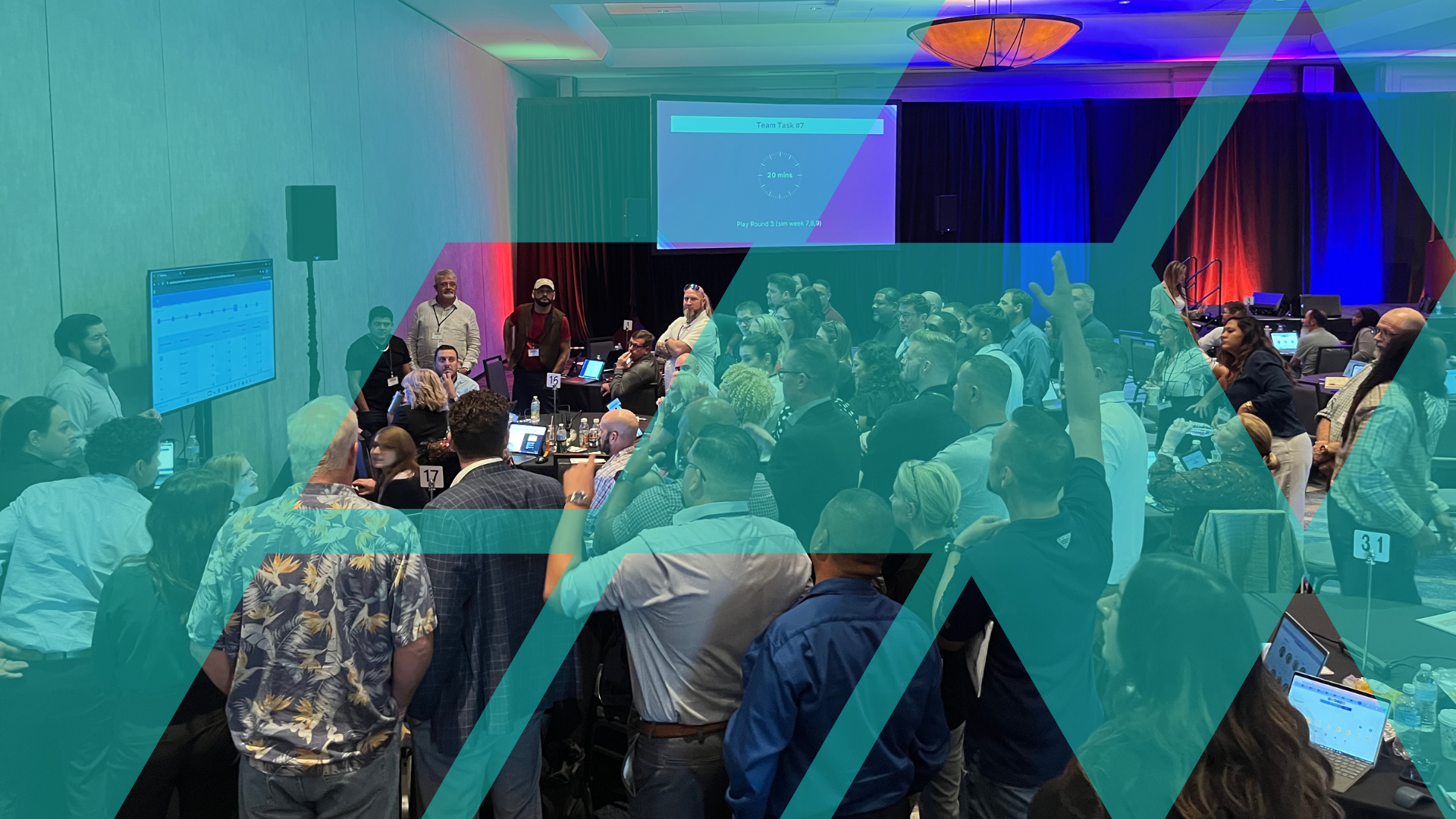
Business Simulations delivered the Flow supply chain simulation as the centrepiece of BT's annual event. Flow mirrors the core challenges of running a modern supply chain, from logistics and transport to warehousing and stock management, with enough of a twist to take participants beyond their everyday roles.
The simulation was facilitated by members from BT's supply chain team, supported throughout by the Business Simulations team. This blended facilitation model meant the experience drew on both deep knowledge of the simulation and the facilitators’ first-hand understanding of the audience, their roles, and the realities of BT's operation. An introductory video, produced by Business Simulations and tailored to the session, set the scene and helped participants step into the scenario quickly.
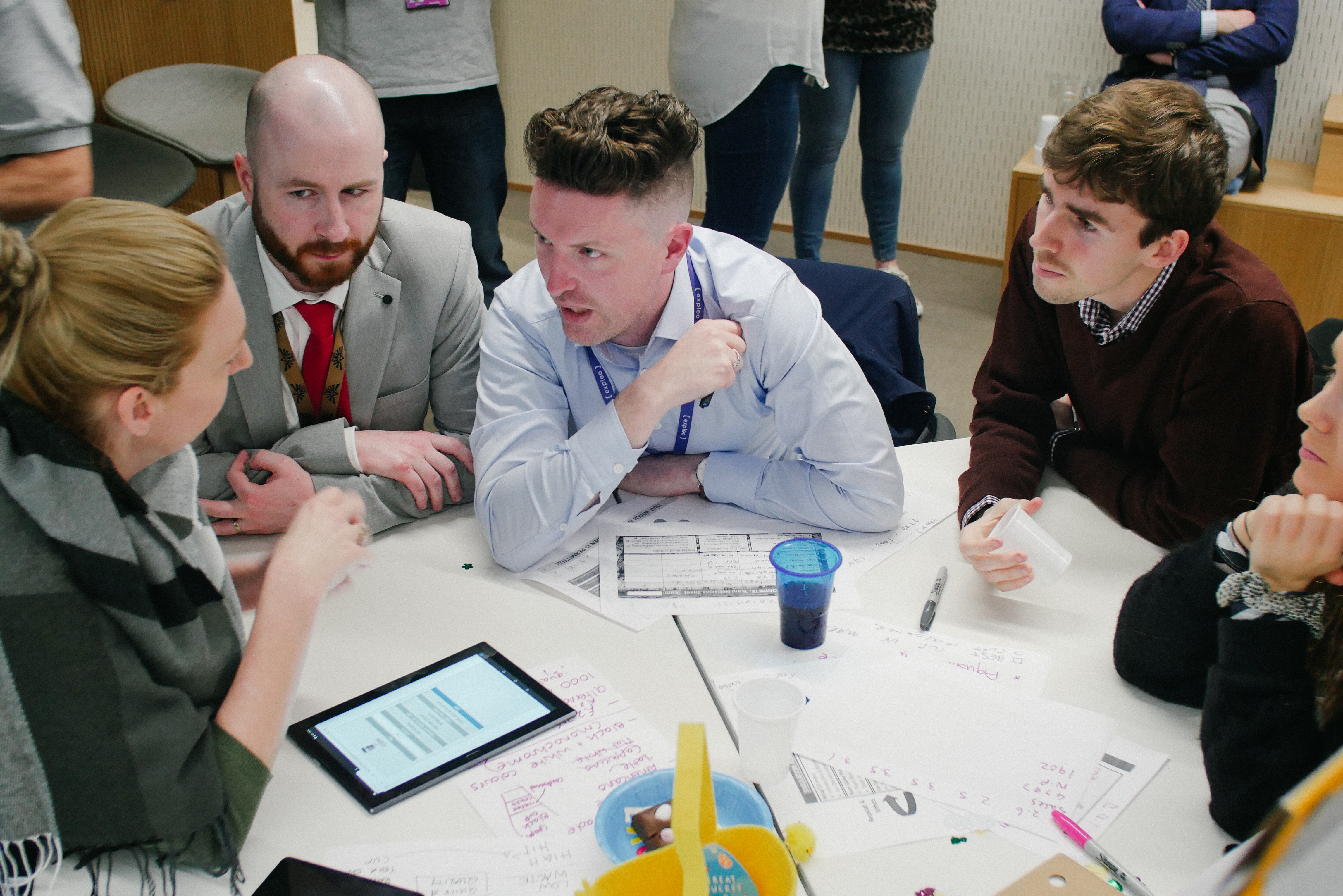
Participants worked in cross-functional teams. The sponsor deliberately mixed roles, placing people outside their usual specialism, for example moving supplier managers away from supply management, to encourage richer cross-functional conversations and challenge familiar habits.
The session was built around discovery learning. Rather than being handed answers, participants learned by making decisions, seeing the consequences play out in real time, and working through the guides and materials together to find their own way forward.