The 24 jobs of a project manager
By Ken ThompsonLast updated Oct 6, 2026
Ask ten people what a project manager does and you will get ten different answers, because the role is really many roles at once. Working with Paul Hookham, an old friend and experienced practitioner, we set out to map the different jobs a project manager can be called on to perform. We reached 24 without much effort, and there are surely more. That breadth is a large part of what makes project management such a demanding role.
The 24 jobs sort into the three types of community a project has to serve: the leadership communities it answers to, the project team communities that do the work, and the target and user communities it is ultimately for. Each splits into two, giving six communities in all, with a cluster of roles in each.
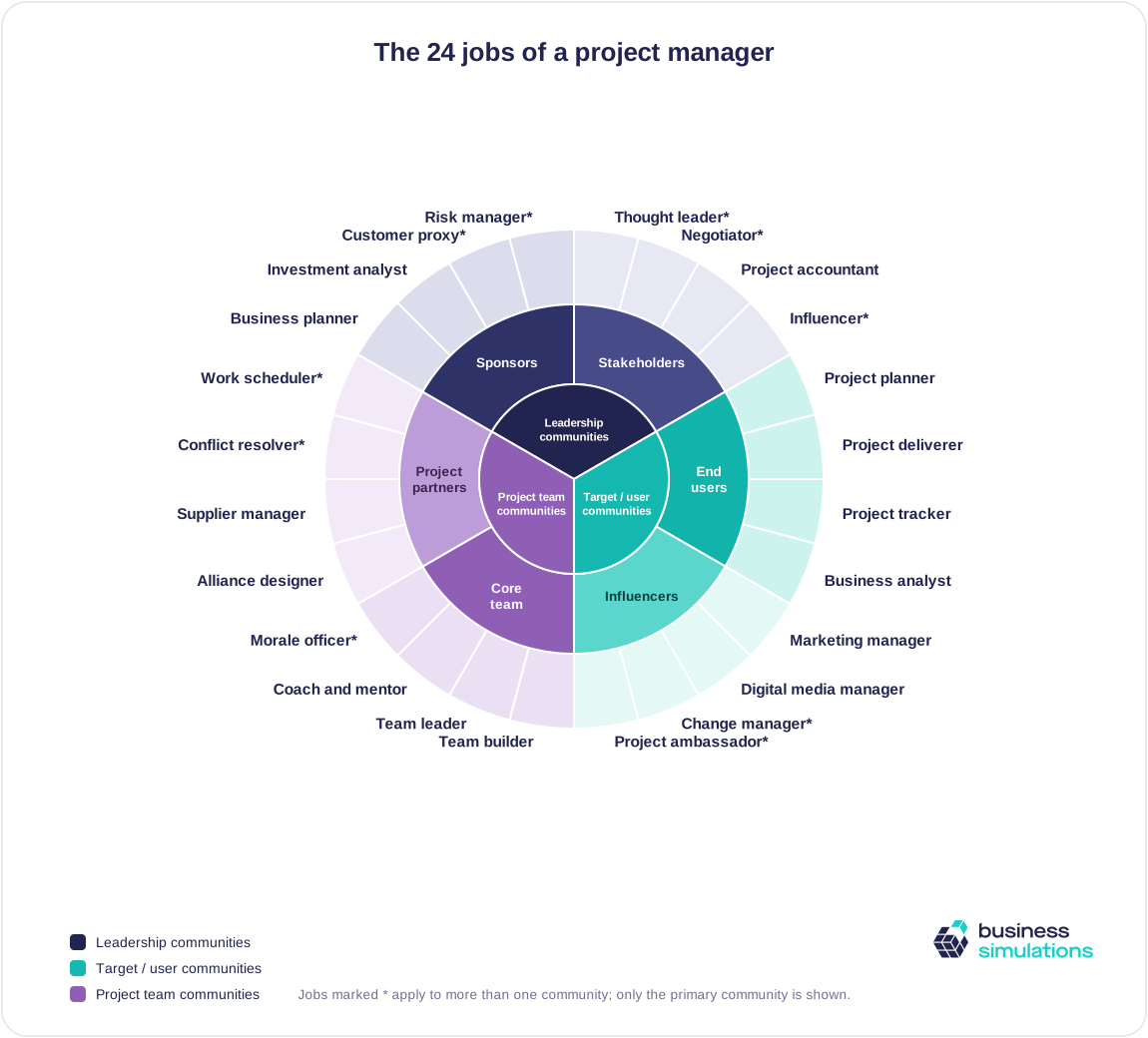
Leadership communities: the people the project answers to
These are the people who set the project's direction and hold its purse strings.
Sponsors
- Business planner: shaping the business case and checking the project still makes sense
- Investment analyst: weighing cost, benefit, and return so the money is well spent
- Customer proxy: representing the paying customer's interests when they are not in the room
- Risk manager: spotting what could go wrong and putting mitigations in place
Stakeholders
- Thought leader: setting a clear vision and direction others can rally behind
- Negotiator: brokering agreements between parties with competing interests
- Project accountant: tracking budgets, forecasts, and spend
- Influencer: winning support and shifting opinion without direct authority
Project team communities: the people who deliver the work
These are the people doing the work, inside the team and across partners and suppliers.
Project partners
- Alliance designer: structuring partnerships and joint-working arrangements
- Supplier manager: holding vendors and third parties to their commitments
- Conflict resolver: defusing tension and settling disputes
- Work scheduler: sequencing tasks and balancing workloads across the plan
Core team
- Team builder: assembling the right mix of people and skills
- Team leader: giving the team direction and day-to-day leadership
- Coach and mentor: developing individuals and growing capability
- Morale officer: keeping energy, motivation, and wellbeing up
Target and user communities: the people the project is for
These are the people the project is ultimately for, and the ones whose ways of working it needs to change.
End users
- Project planner: turning goals into a workable, sequenced plan
- Project deliverer: driving the work through to completion
- Project tracker: monitoring progress and flagging slippage early
- Business analyst: capturing requirements and turning needs into clear specifications
Influencers
- Marketing manager: building awareness and demand for what the project will deliver
- Digital media manager: running the digital channels that carry the message
- Change manager: helping people adopt new ways of working
- Project ambassador: championing the project across the organisation
Several of these roles span more than one community; each is shown in its primary home.
Putting the map to work
The map earns its keep in three practical ways: as a checklist when recruiting a project manager, as a blueprint when designing project management training, and as a lens for assessing a project manager's strengths and gaps, including your own.
Practising the whole role
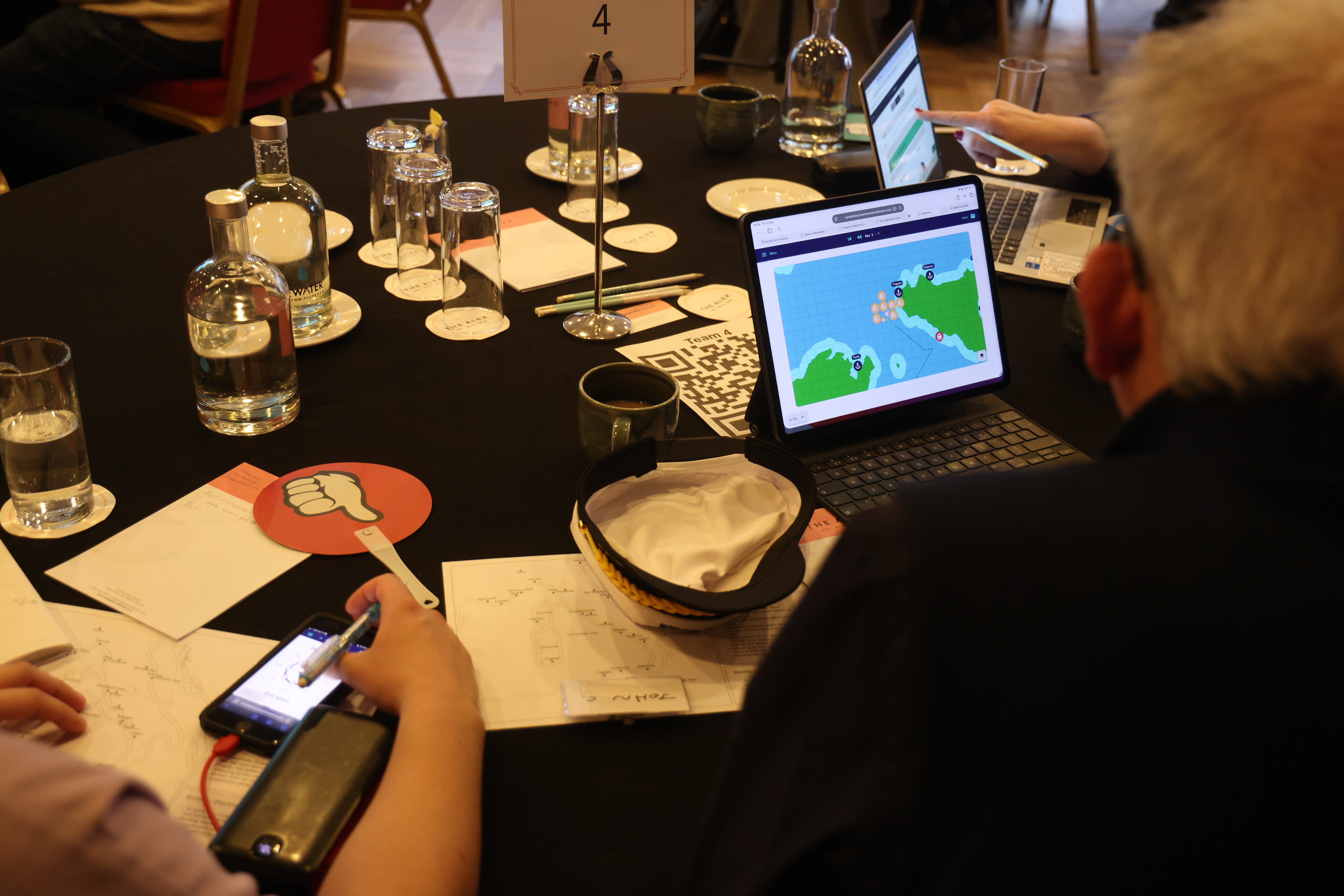
No amount of reading turns breadth into capability; that comes from doing. Our Crew simulation focuses on leading the project team itself, while Influence puts participants in charge of winning stakeholder support for a major change. Together they give project managers a safe place to practise wearing several of these hats at once. For the core skills that underpin the role, see our piece on the essential project management skills.
To talk through developing your project managers, get in touch.
About the Author

Ken is an expert practitioner, author and speaker on collaboration, high-performing teams and game based learning.
Published Apr 16, 2018