Most leaders score noticeably higher in one group than the other two, and it is usually the group they were promoted for.
Free learning tools for leaders and teams
Twelve free browser-based apps to assess your leadership, map your stakeholders and your team, weigh up your risks, and reflect on how a session went. Every one of them runs in the browser on a phone, tablet, or computer, and nothing is sent anywhere. None of them require registration, installation, or a download. Click and start.
Use them on their own, or alongside a facilitated session, where people score themselves against decisions they have just made rather than against their general self-image.
Assess your leadership
Score yourself, or ask your team, and see where to develop next.
Leadership skills healthcheck
A 12 point self-assessment across the three directions a leader has to manage in: the team you lead, everybody outside it, and yourself.
Team leader feedback
Seven things a team leader should be paying attention to, scored by you and then by your team.
The result is not your score, it is the gap between the two views.
Collaboration skills assessment
Score yourself against the 12 collaboration skills, from the five foundations to the advanced seven that most leaders neglect.
A useful list for assessing a team as well as yourself.
Change leadership assessment
Score yourself against the 10 change leadership skills and get a report showing where to develop next.
Works as a before-and-after measure either side of a development programme.
Map your people
Place the people you lead and the people you need, and see how to work with each.
Skill will matrix
Place each person on your team by their skill and their will for a task, and see whether to direct, guide, excite, or delegate.
Name the task as well as the person: someone can be ready to take over one job and need close direction on another.

Power interest grid
Plot your stakeholders by their power over your work and their interest in it, and see whether to manage them closely, keep them satisfied, keep them informed, or monitor them.
Also known as Mendelow's matrix. A quick first sort before a fuller stakeholder map.
Stakeholder map
Plot the people your programme depends on by their influence and their attitude, and see where your effort is best spent.
A stakeholder map is worth doing at the start of any significant change, and worth redoing when it stalls.
Plan change and weigh risk
Test a change before you start it, then work through what could go wrong.
DICE change risk calculator
Assess the risk of a change programme before you start it, scoring four attributes from the DICE model developed by the Boston Consulting Group from research into more than 200 major change initiatives.
There is more on the thinking behind it in our DICE change management model article.
Risk map
Identify the risks to your project and place them by likelihood and impact.
Decide what you will actually do about the ones that matter, starting with the highest priority.
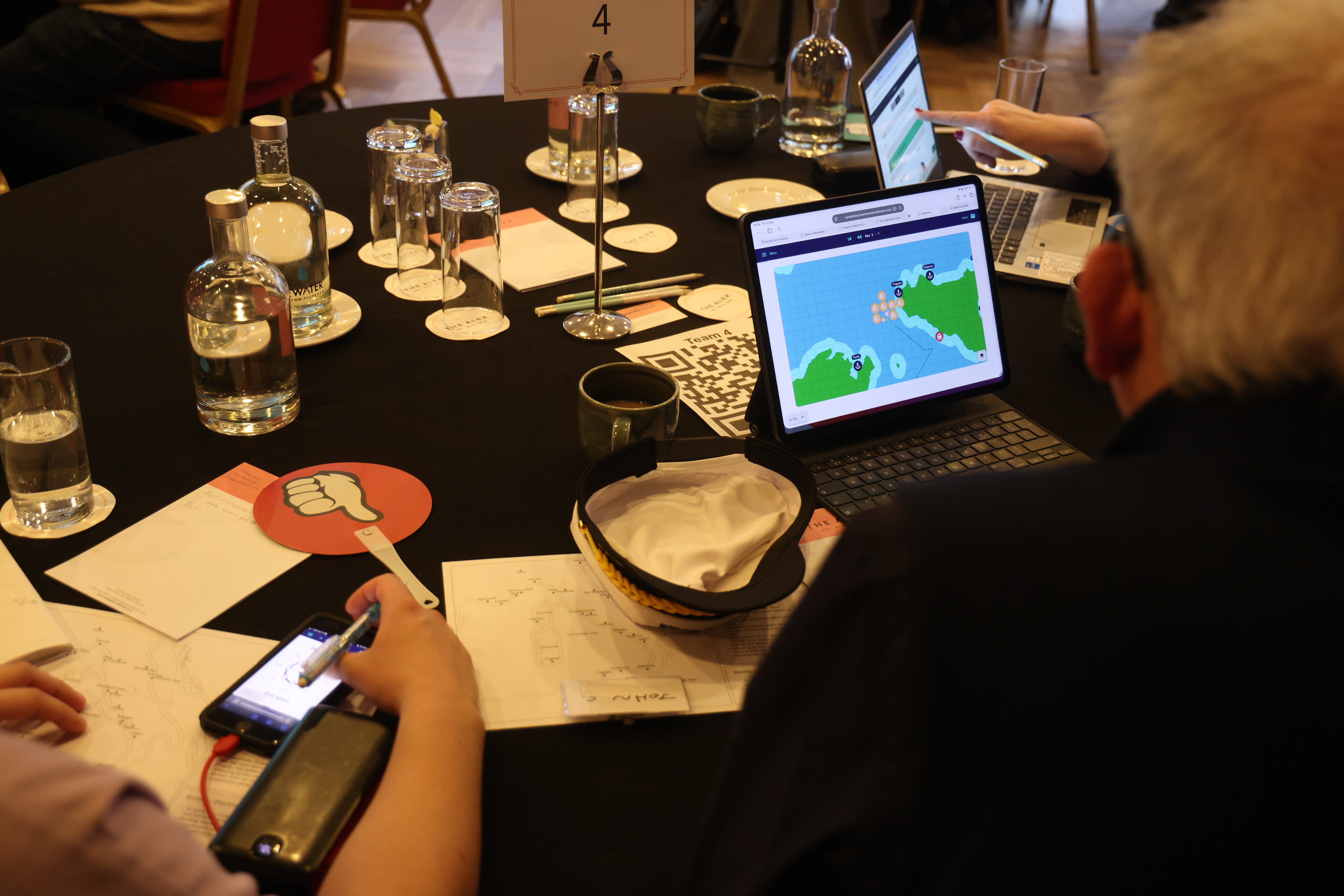
Risk-cost-reward map
Compare your options by the risk and cost they carry against the reward they offer.
Choose between them with your eyes open, and show your working afterwards.
Reflect and recover
For during and after a demanding session.
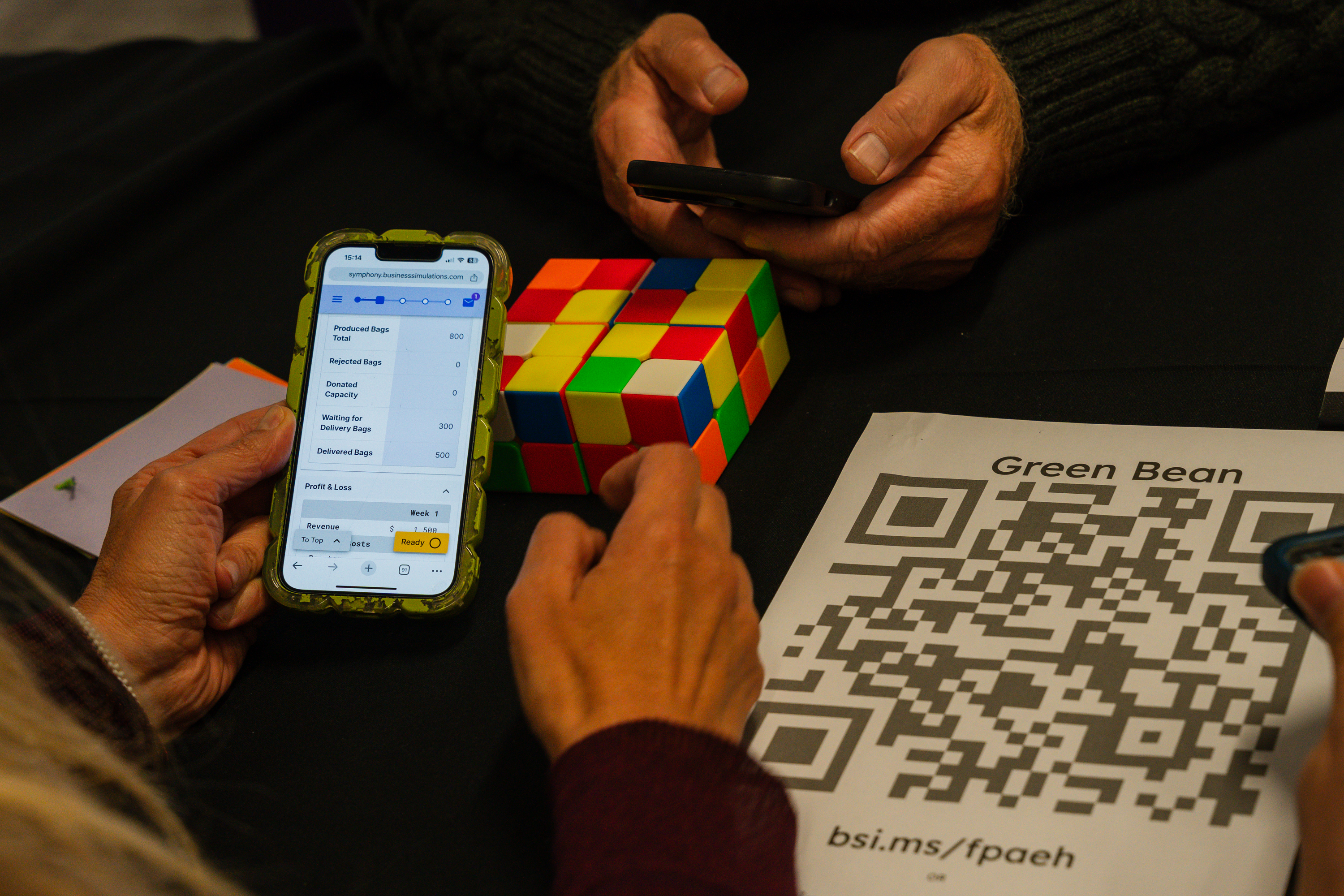
Stress tolerance test
Set your tolerance for 12 common sources of pressure, then record what you actually felt during a demanding activity, and look at the gap.
Useful during a live session as well as after it.
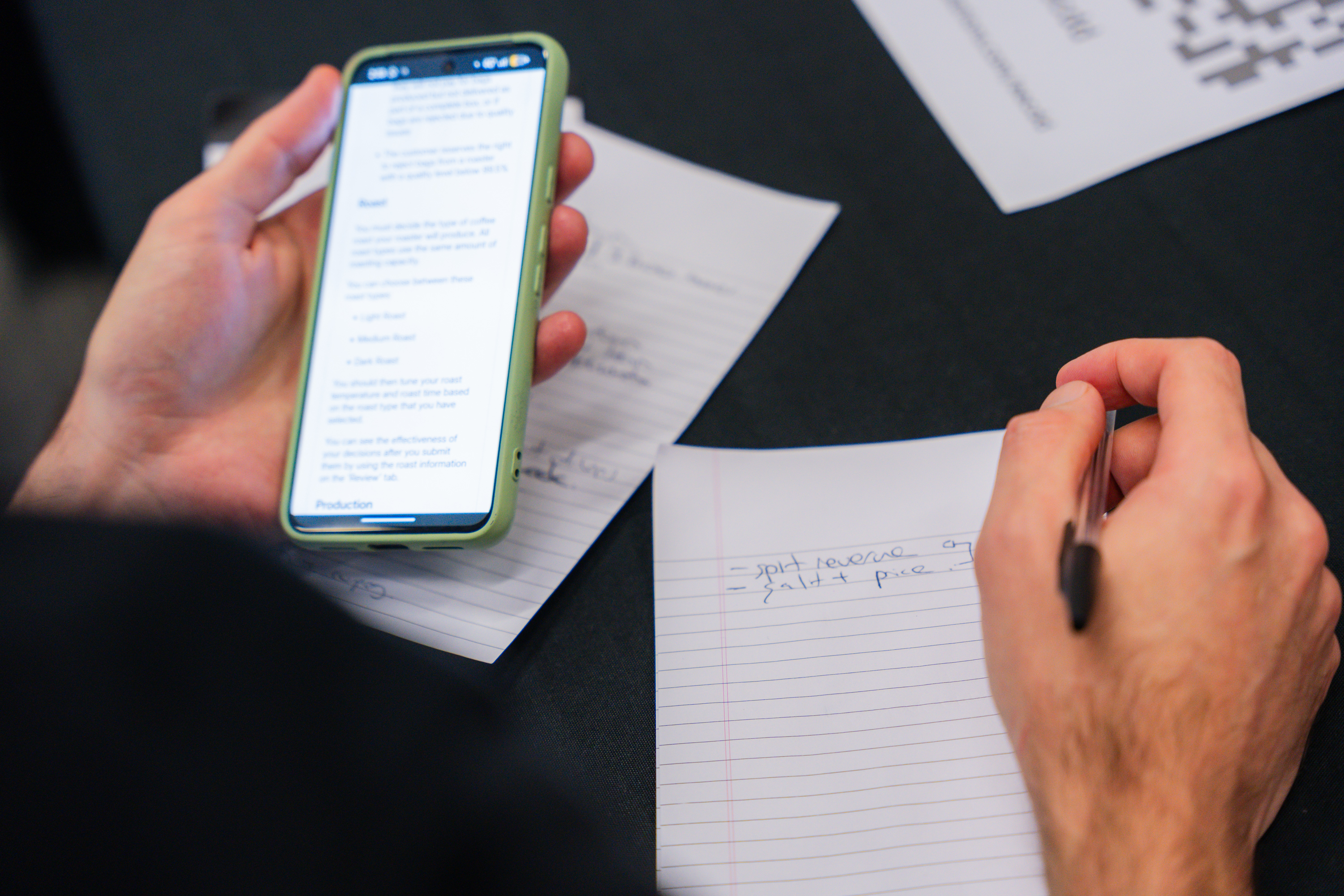
Self-reflection cards
A set of 24 cards of questions to work through before, during, and after a team activity, one card at a time.
Reflection is where most of the learning in a session actually lands, and it usually gets the least time.
Try a micro simulation
The tools above assess and organise your thinking. The micro simulations do something different: each one drops you into a realistic workplace scenario and asks you to decide, then shows you how your choices stack up against proven frameworks.
Conflict resolution, AI governance, coaching a disengaged team member, and pricing through a cost shock, all free and all playable in a few minutes.