- Strategic insight is deepened through practical experience and a shared approach
- Strategic agility improves when people connect thinking with doing
- Organisational success grows when strategic thinking is developed at every level
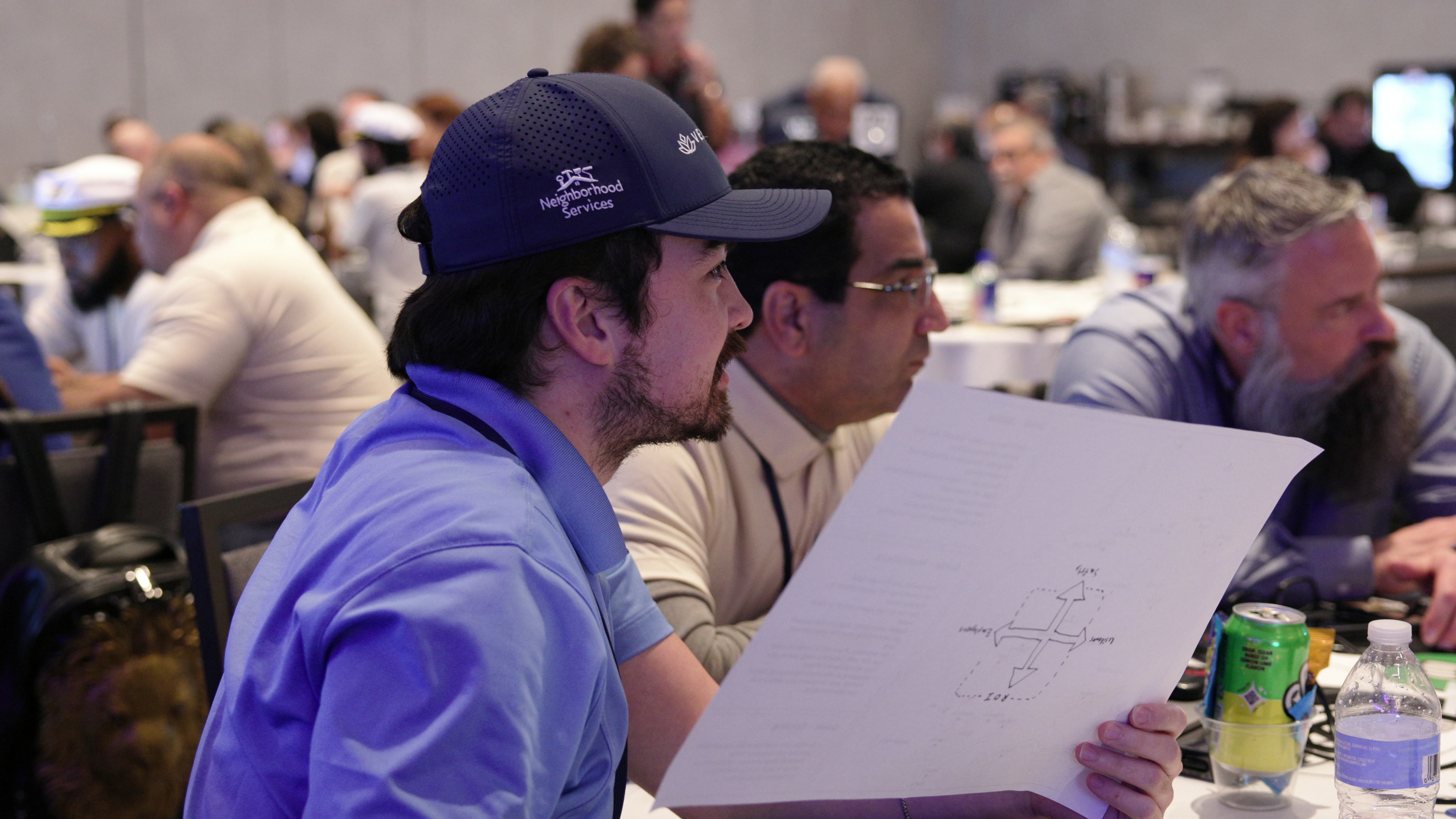
Strengthen your strategic thinking with business simulations
Simulation-based training that helps L&D teams build confident, decisive strategic thinkersStrategy at every level
For L&D managers comparing strategic thinking training options, the strongest results come from experience rather than theory. Without strategic thinking, a strategy is just a document: developing strategic thinking across your organisation enables teams and leaders to spot opportunities, respond to uncertainty, and align everyday decisions with long-term ambitions. Your people will act with greater focus, confidence, and clarity, driving better performance across the board.
Why strategic thinking matters now
"Plans are nothing; planning is everything." - Dwight D. Eisenhower
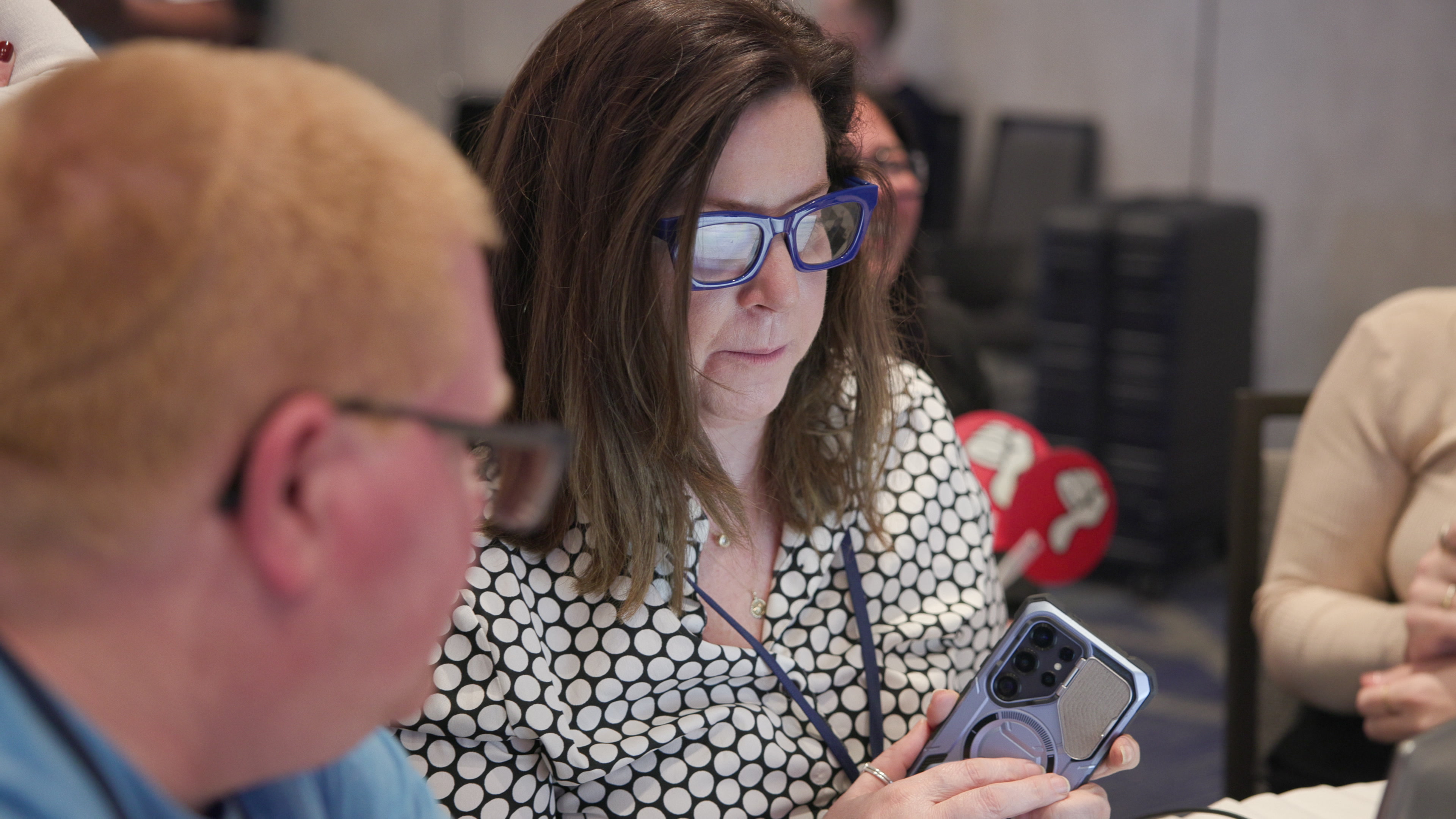
In today’s fast-moving world, having a strategy isn’t enough - your people need to think strategically too. Despite this, nearly half of business leaders feel their organisation lacks a clear strategic direction. On the other hand, those that invest in planning and strategic development tend to grow faster and achieve more.
- Organisations that plan strategically grow 30% faster than those that don’t
Source: Journal of Management Studies - 49% of decision-makers say their business lacks a clear strategic vision
Source: Chartered Institute of Marketing & Arlington Research
Sharpen strategic thinking in safe, risk-free simulations
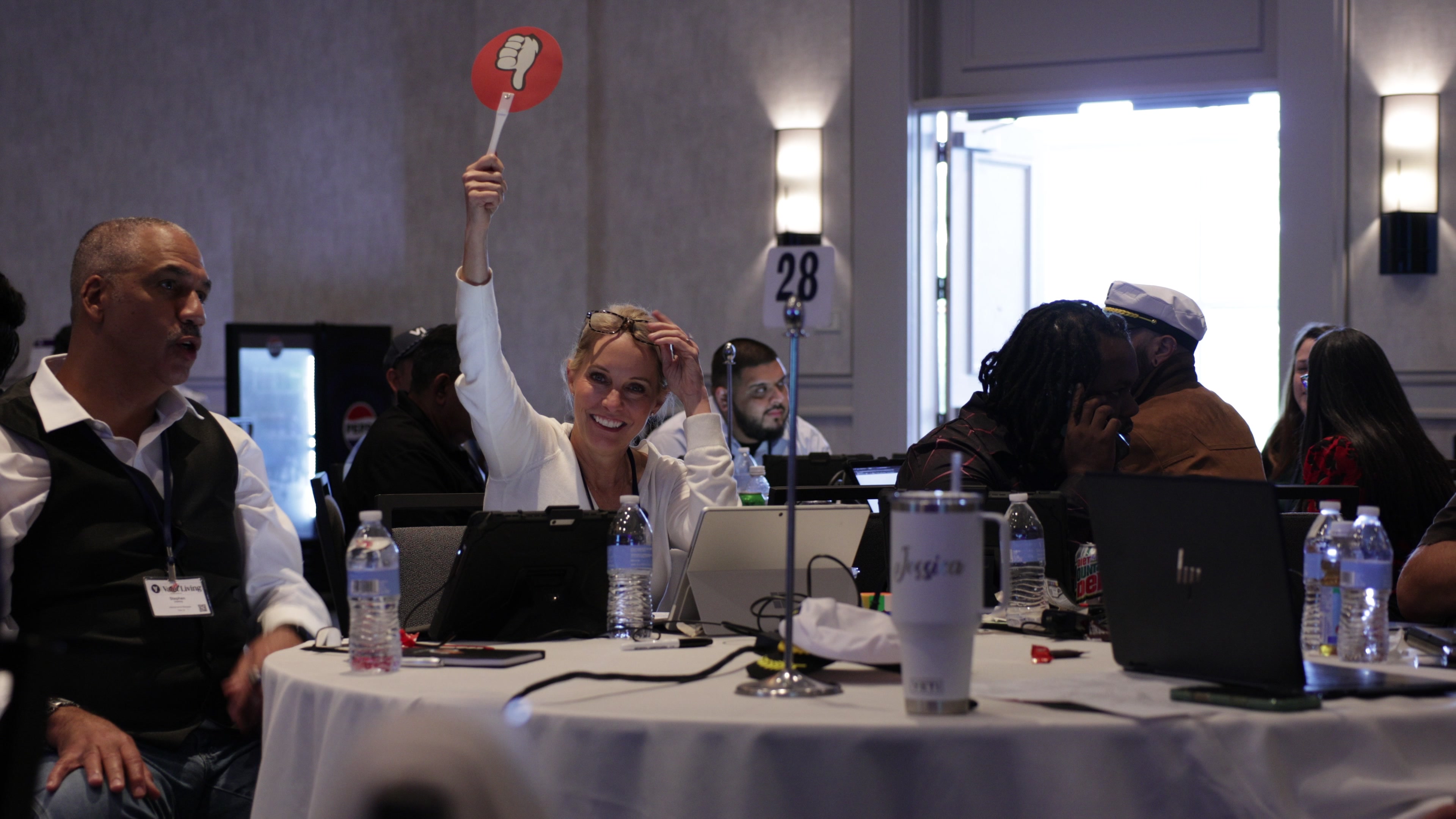
Business simulations are a powerful way to build strategic thinking in action. They offer an engaging and risk-free environment where participants can explore scenarios, make decisions, and reflect on outcomes - developing practical skills that transfer directly to their roles.
- Immersive experiences that lead to real learning and impact
- Collaborative spaces that encourage discussion, peer feedback, and shared understanding
- Psychologically safe environments that allow for trial and error, helping participants learn through experience
What participants learn through simulations
- Turning intent into practical execution, creating and refining strategic plans
- Assessing the impact of decisions and adjusting direction
- Applying tools and models to support strategic analysis
- Strengthening reasoning and communication around strategic choices
- Ensuring individual and team efforts align with organisational goals
The impact of simulations on strategic capability
Simulations give individuals and teams the opportunity to practise strategic thinking in a hands-on, engaging setting. Participants don’t just learn theory - they develop the confidence, judgement and language to apply strategic thinking to real-world challenges.
I think running a business acumen and strategy simulation is one of the best decisions we ever made, and one of the most praised learning experiences we’ve offered.
Traci Batson, Global Learning Consultant – Sales, Kerry Group

Using these unique business simulations we have been able to develop a whole range of new services for our clients in key areas such as business acumen, strategic thinking, team and leadership development.
Austin Swain, Client Services Director, EY Lane4
The quality of conversation these simulations generate amongst the participants and the facilitation that leads to these conversations have deepened insights for our learners in key business concepts.
Sivaram Jambunathan, Director – Learning and Development, General Mills

Strategic thinking training: common questions
What L&D teams ask before choosing a strategic thinking simulation over a classroom course.
What is strategic thinking training?
Strategic thinking training builds the practical skill of weighing options, anticipating consequences, and making sound decisions under uncertainty. The strongest programmes are experiential: rather than a lecture on frameworks, participants run a simulated business, live with the consequences of their choices, and adjust course in real time.
How does a strategic thinking simulation work?
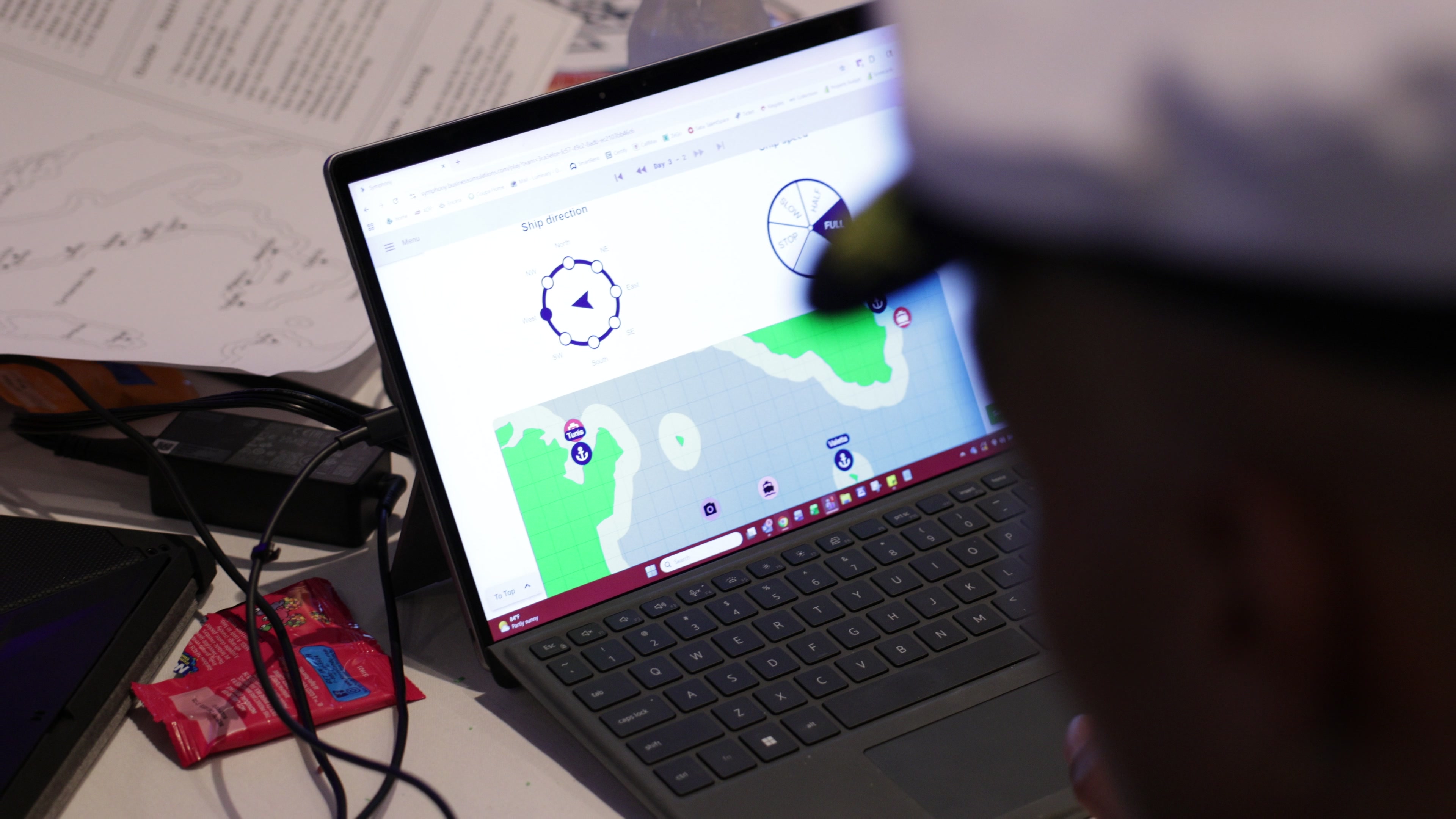
In a business simulation such as Acuity or Compete, teams lead a company through multiple simulated periods, weighing strategic trade-offs in a competitive market. Each round produces real outcomes to analyse, so strategic thinking stops being theoretical and becomes the direct result of a team's own decisions.
Which simulation suits a strategic thinking programme?
It depends on the audience and the wider goal. Acuity and Compete centre strategic decision-making under competitive pressure. Dilemma tests strategic judgement across finance and collaboration together, Innovate focuses on strategy for bringing new value to market, and Breach builds strategic thinking under the pressure of a live crisis. Flow tests strategic judgement under supply chain disruption, where decisions must be committed before their consequences are known. Get in touch and we will recommend the right fit for your group.
How is this different from a strategic thinking course?
A course explains the frameworks. A simulation is live and in-person, facilitated by our experts, and puts strategic thinking into practice under realistic pressure, which is why it produces lasting learning rather than knowledge that fades once the workshop ends.