A parable and a myth about change management
By Ken ThompsonLast updated Sep 28, 2026
There is a comfortable theory in change management circles: show people the benefits of a change clearly enough and they will embrace it. It is a myth. Most people do not welcome change. They resist it, or at best resign themselves to it, and only a small minority actively want it.
It is an expensive myth, too. By McKinsey's long-standing estimate, around 70% of change programmes fail to meet their goals, and weak buy-in is named again and again among the reasons. For the L&D managers and senior sponsors who own a change programme, that risk is exactly what this article is about: how to earn buy-in that lasts, rather than reluctant compliance.
This is not really about any one change. Most people in an organisation are already at or beyond their comfortable capacity, stretched across the commitments they already carry. However real the benefits of your change, the extra effort it demands in the short and medium term is often more than they can take on for the promise of some later, delayed reward. As Peter Senge observed, 'people don't resist change, they resist being changed'. That distinction points straight at the solution.
Two things explain most of that resistance:
- What is being given up feels like a loss, not just a change, because old ways of working are bound up with identity and competence
- People are already stretched, so the effort a change demands competes with commitments they cannot simply set down
Neither is solved by a stronger case for the benefits. Both call for giving people a genuine hand on the wheel, which is what the rest of this article is about.
A parable: the child and the stammer
The former Chief Rabbi Jonathan Sacks tells a story, in his book of daily reflections, about a child with a stammer. The parents cannot understand why their child will not embrace the treatment that would cure it. A doctor sits them down and explains: to the child, losing the stammer would feel like losing a precious possession. The stammer has become part of who they are, woven into their sense of identity and self-worth. Letting it go is not a simple gain. It is a kind of loss.
The lesson travels well beyond the clinic. The things people are asked to give up in a change, an old process, a familiar tool, a way of working they have quietly mastered, are rarely just inconveniences. They are bound up with how people see themselves and their own competence. That is why a benefits case, however strong, so often fails to move them.
The only people who welcome change are the ones who shape it
Look at who actually welcomes a change and a pattern appears. It is the people who initiated it, who shaped it, who feel some ownership of it. Everyone else is having it done to them.
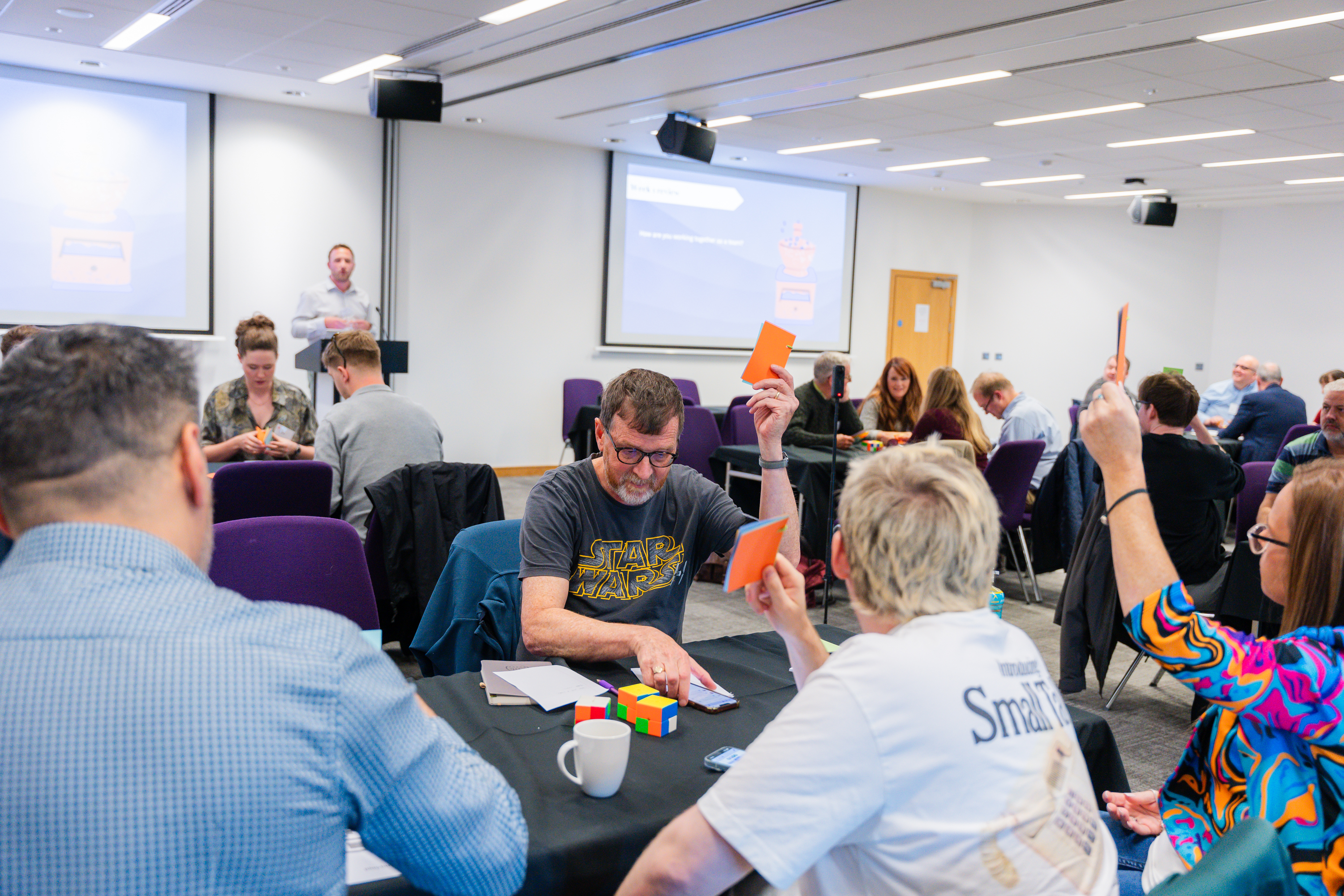
So if you genuinely want someone to embrace a change, the instinct to sell them the benefits is the wrong one. The better move is to give them a hand on the wheel: real influence over the change, and wherever possible real control over how it takes shape in their part of the business.
But there is a cost
Handing people influence is not free. Your new partners in the change may want to change your change. That is the deal, and working with them rather than around them is a stakeholder-management skill in its own right. So it is worth asking yourself an honest question before you begin: do I actually want these people to own this change, or would I settle for them quietly resigning themselves to it? The two call for very different approaches, and pretending to want the first while really wanting the second is quickly seen through.
There is a second obligation as well. If you give people control of a change, you also have to help them find the capacity to carry it. Most of them are already full. Genuine support usually means helping people work out what they can stop doing to make room for what is new, rather than simply stacking the change on top of an already overloaded week.
Practising the hard part
Giving people genuine influence over a change, holding your nerve when they want to reshape it, and helping them make room for it are leadership skills. Like any skill, they are learned by doing rather than by being told.
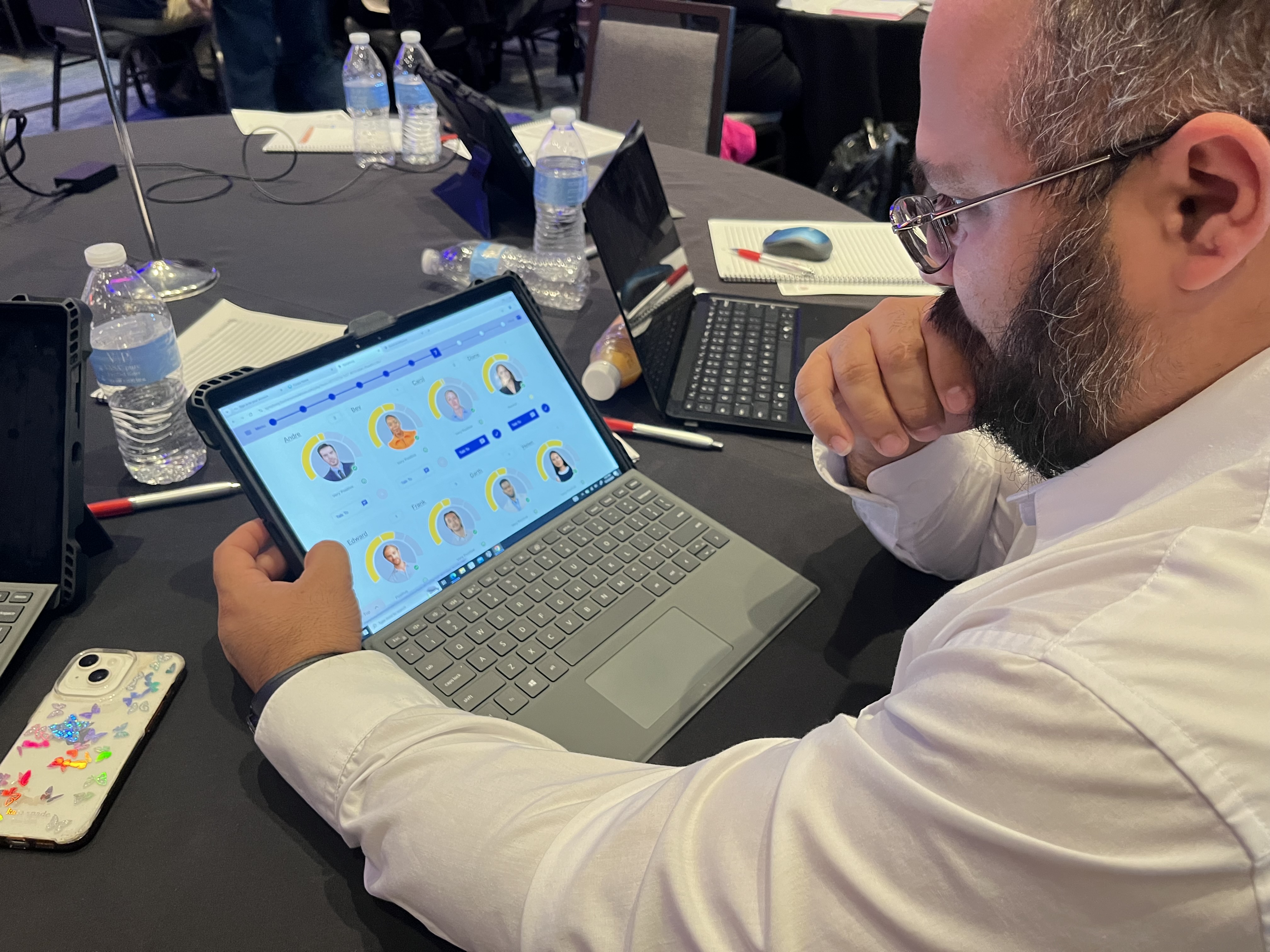
That is what our change management work is built around. In the Influence simulation, participants lead a nine-week change initiative in a safe, pressured setting: engaging stakeholders, working with resistance rather than trying to steamroll it, and living with the consequences of their choices. It is immersive, live and in-person, and facilitated by our experts (see how it played out for 250 leaders at Venterra Realty), and it turns the idea at the heart of this article, that people embrace change they can influence, into something your leaders have practised before it counts for real.
If resistance is blunting change in your organisation, explore the change management challenge to see how we help leaders build that capability. The same dynamic is playing out right now with AI adoption: see why AI success is a change management problem.
About the Author

Ken is an expert practitioner, author and speaker on collaboration, high-performing teams and game based learning.
Published Jul 26, 2017