Simulation training vs e-learning: the client evidence for lasting change
By Tom ParsonsLast updated Sep 2, 2026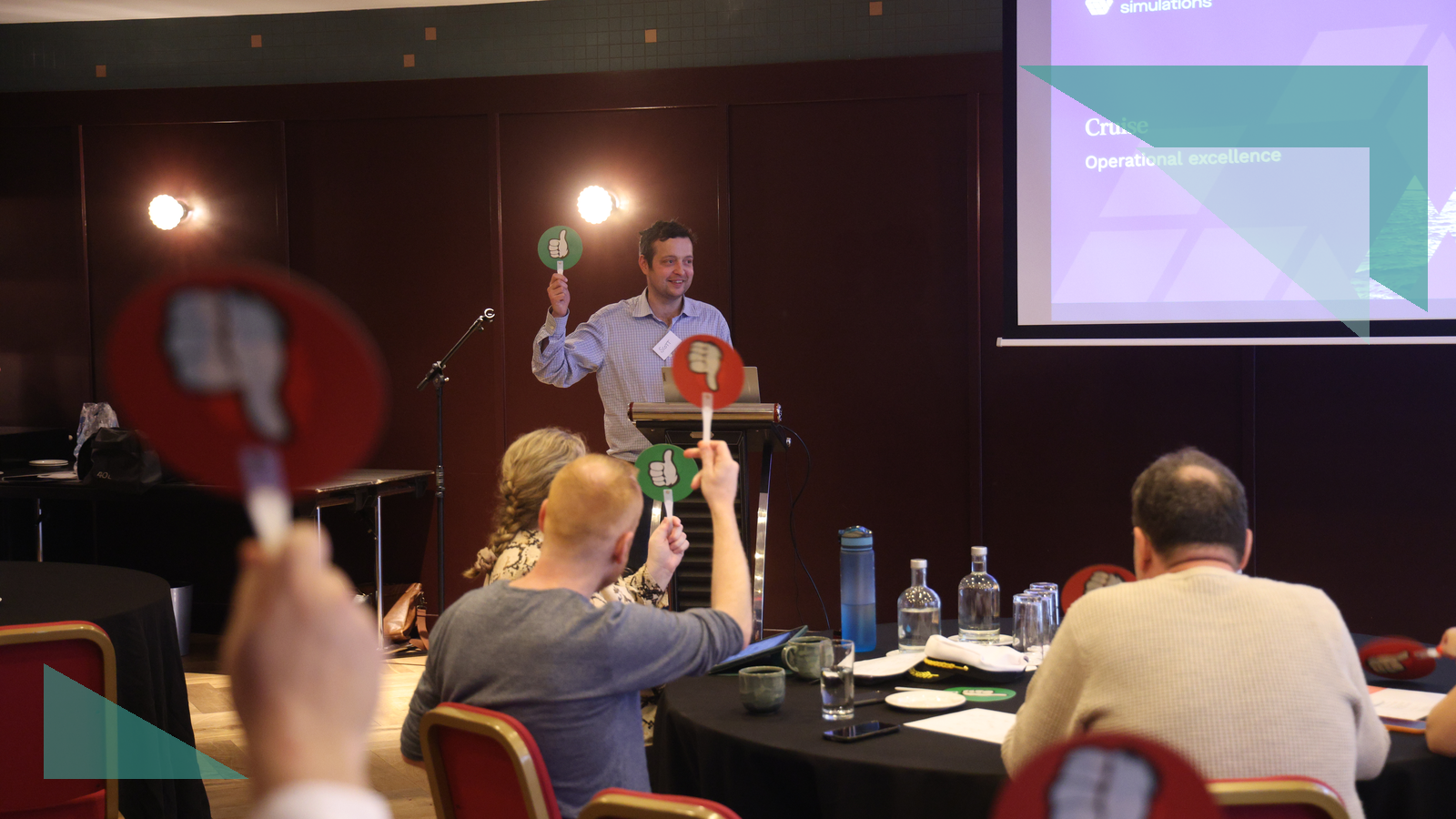
Most workplace learning is designed to be completed, but sadly not to be remembered. A module is assigned, a learner clicks through it, a completion is recorded, and within weeks most of the learning has gone.
E-learning is not the problem in itself. It is an efficient way to distribute foundational knowledge at scale, and it is easy to measure. The mistake is expecting a passive, one-off intervention to produce a durable change in behaviour. That is a different job, and it requires a different method. We described the underlying research on active versus passive formats in our recent article on experiential learning versus traditional learning; if you are still weighing whether experiential learning is worth the investment at all, that is the place to start. This article picks up from there, for readers who accept the case and want the mechanisms and the client evidence for why simulation training specifically is the format that makes it stick.
The more useful question is why the experiential alternative works. Learning by doing is the easy part of the answer. What makes a simulation stay with someone months later is that it engages emotion and it happens in a group, and neither of those is available to a module completed alone at a desk.
At a glance, here's where each format earns its place:
| E-learning | Simulation training |
|---|---|---|
Best for | Consistent delivery of facts and compliance content, at scale | Behaviour change that has to survive contact with the day job |
Format | Self-paced and completed alone, without a facilitator | Live and in-person, facilitated by our experts, in teams |
What makes it stick | Repetition, testing and spaced revision | Emotional engagement and social accountability |
Evidence in this article |
| MPAC, Venterra Realty, and Twinings |
Lasting learning is emotional
Neuroscience is clear that emotion is not a distraction from learning, it is the foundation of it. The affective-neuroscience researchers Mary Helen Immordino-Yang and Antonio Damasio put it more strongly: emotion-related processes are required for knowledge to transfer out of the place it was learned and into real-world decisions. We remember what we care about, and we act on what we felt.
A challenging, immersive scenario creates that engagement, along with the occasional productive discomfort that fixes learning in memory. Participants are not observing a case study, they are accountable for a decision, and they find out shortly afterwards whether it was the right one. A click-through module rarely creates any emotional signal at all, which is part of why it fades so quickly.
Lasting learning is social
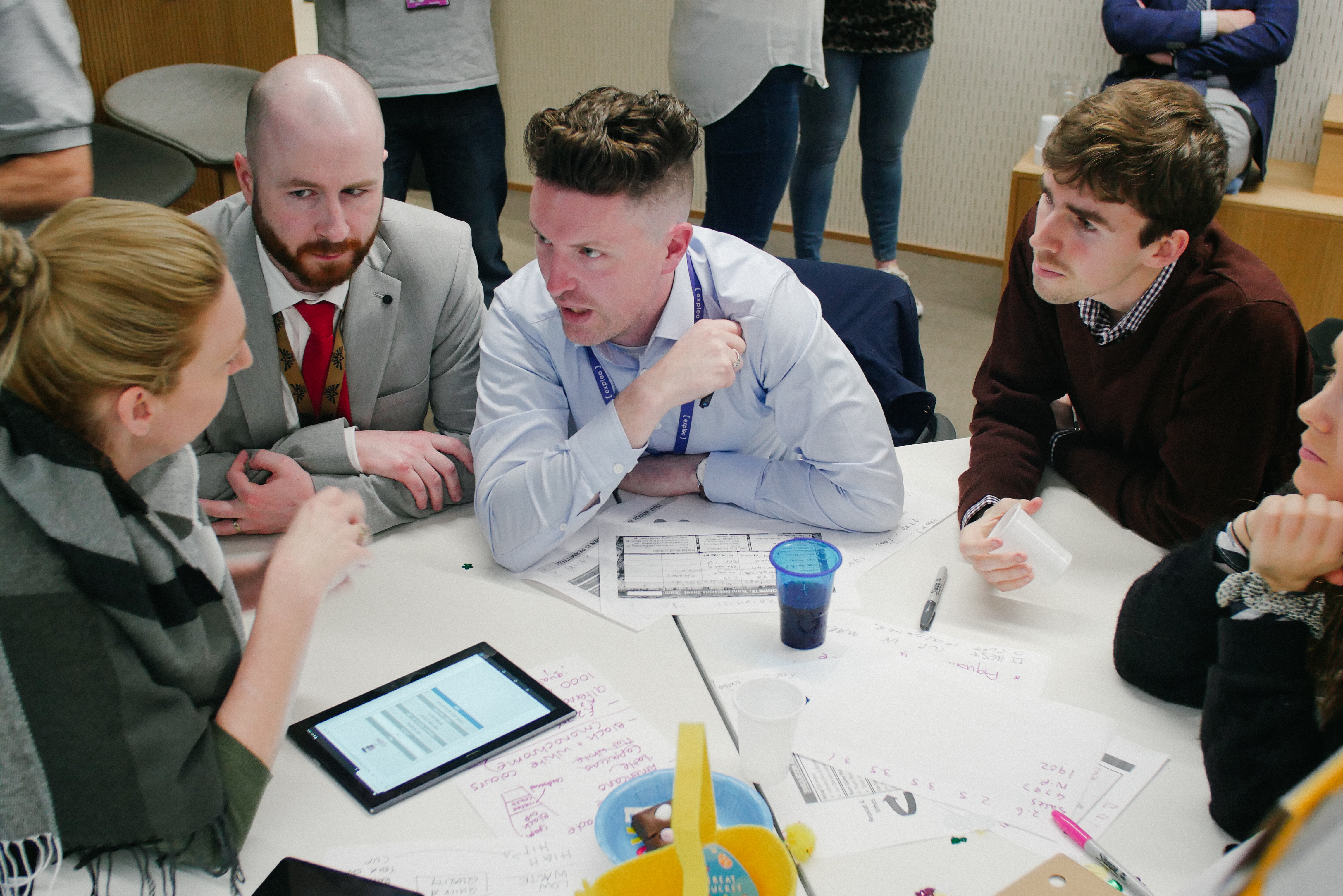
Our simulations are live and in-person, run in teams and facilitated by our experts. Participants reason out loud, argue for a course of action, hear how another team interpreted the same situation, and reinforce one another's understanding in the debrief. That social reinforcement, combined with the satisfaction of achieving something difficult together, makes the experience more personal and more memorable than anything completed alone.
It also depends on getting the conditions right, which is a design question we have covered in full in our dedicated article on psychological safety. McKinsey's research on leadership behaviour makes a related point: few leaders reliably demonstrate the behaviours that create it, which is exactly why a facilitated environment has to supply it deliberately.
What this looks like in practice
Organisations such as Michelin, GSK, and BT trust our simulations for exactly this reason. The clearest test, though, is what happens after the session ends.
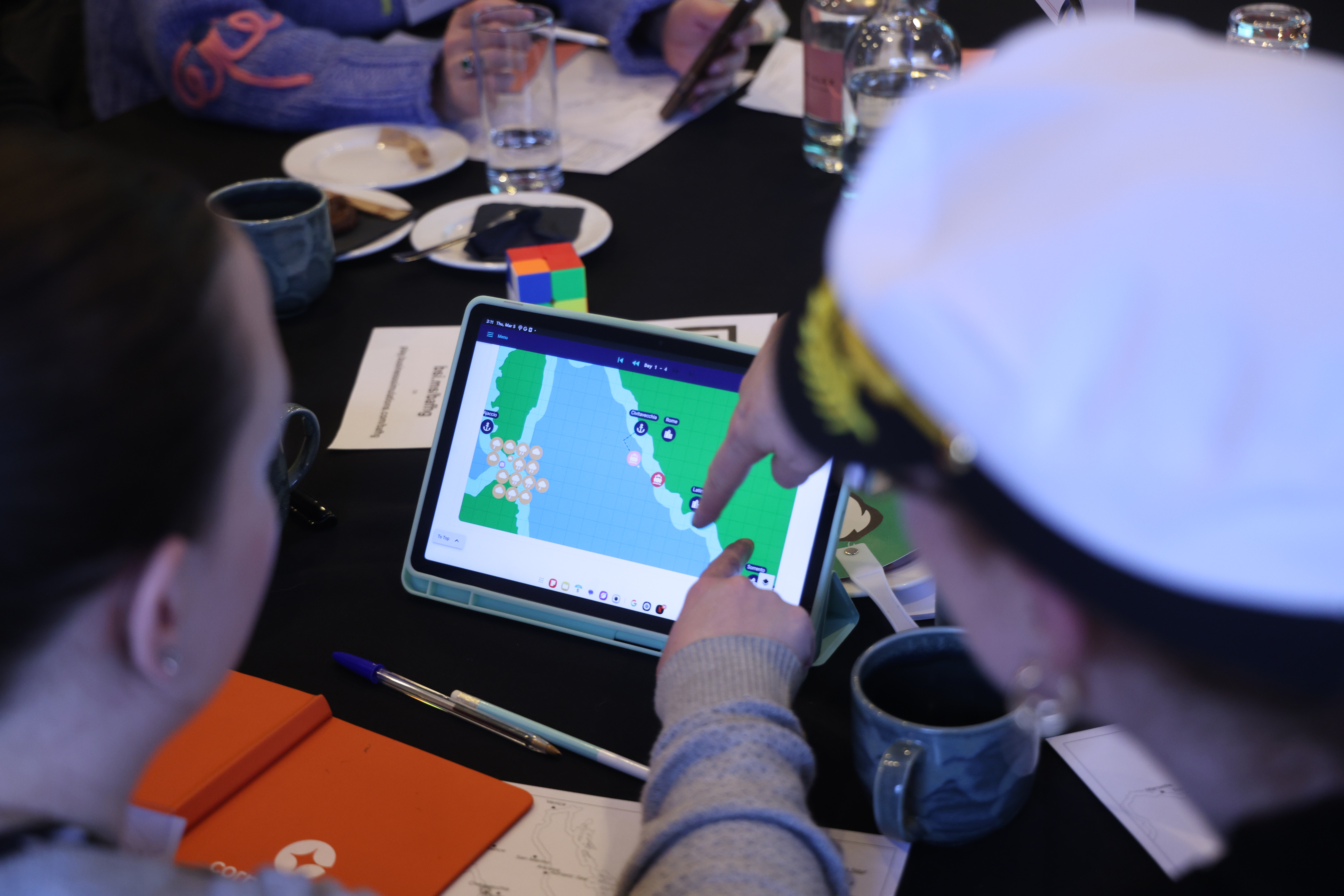
At the Municipal Property Assessment Corporation (MPAC) in Canada, employees knew the ADKAR change model in theory but felt no ownership of it, and teams kept slipping back to business as usual. In a 2016 survey, only 38% felt the pace of change was sustainable. MPAC introduced the Influence and Cohesion change simulations in 2017, and in that year's survey 48% said the pace of change was 'just right', rising to 61% in support of the change initiatives by 2019. MPAC has since run more than 35 sessions with more than 650 staff. As Scott Milne, Director of Strategic Portfolio Management, put it, they leave each session with "the key principles of change management firmly embedded".
Venterra Realty used Influence as a one-day session inside a week-long leadership conference for around 250 leaders. What stood out was not the engagement on the day, but what came afterwards: leaders were later observed proactively raising stakeholder alignment at the start of change initiatives, a sustained shift in behaviour rather than a good day out. In the words of Jessica Shaw, Director of Learning and Development, "learning through experience and real-time feedback is far more powerful than traditional training".
The same theme runs through our work with Twinings, where International HR Director Simon Brocket observed that because the learning belonged to the participants, the transfer to the workplace was far easier. We have written separately on why that ownership is the mechanism rather than a side effect. What these three accounts add is the part that is hard to argue with: MPAC's numbers moved and stayed moved across three years, Venterra's leaders were observed doing something different months later, and the Twinings learning survived contact with the day job.
What belongs in the module, and what belongs in the room
The practical question is not which format wins, it is what belongs where.
Put in the module the things that are identical for everyone and tedious to cover live: definitions, the change model your organisation has standardised on, the compliance framing, and the numbers everyone needs to be working from. This is genuine preparation and it should be short. If a cohort arrives without it, the first hour of the session gets spent building shared vocabulary that a 20-minute module could have handled.
Put in the room the things that only exist under pressure: a decision that carries a cost, incomplete information, a colleague who read the same situation differently, and the argument that follows. No module can manufacture these, because they need other people and real stakes.
Put after the session the reinforcement: the debrief notes, the frameworks participants can now attach to something they lived through, and the follow-up that turns a good day into a changed habit. Content that lands flat before a simulation often lands hard afterwards, because participants finally have somewhere to put it.
Sequenced that way, the module stops being the whole intervention and becomes the preparation for it. The completion rate you report starts measuring something real.
If your learning is being completed but not remembered, the issue may not be the content. It may be that a one-off, passive intervention has been asked to do a job only an experiential one can do. Explore how our change management simulations help teams lead change, manage resistance, and make the change hold, or talk to us about a programme built around your own challenge.
About the Author

A former professional poker player, Tom heads up our delivery team, ensuring our facilitators and clients have the support they need.
Published Jul 10, 2026