Engineers or gardeners: who makes the best change manager?
By Ken ThompsonLast updated Jul 30, 2026
The physicist and systems thinker Fritjof Capra, author of The Web of Life and The Tao of Physics, opens The Hidden Connections with a simple observation. Across a century of management thinking, he argues, people have reached for five main metaphors to make sense of organisations and how they change:
- Machines
- Organisms
- Brains
- Cultures
- Systems of government
Strip those back, Capra suggests, and a single fault line runs through all of them. Do we treat an organisation as a machine, something predictable that can be engineered, or as a living system, something unpredictable that has to be cultivated? Put more plainly: is your organisation a clock to be wound and tuned, or a cell to be nurtured?
You see the two worldviews the moment you put a team inside an immersive, live and in-person business simulation about change. Some people lock onto the numbers on screen and their position on the scoreboard. Call them the engineers. Others watch the whole board, reading whether things are drifting in the right direction. Call them the gardeners. So which temperament makes the better change manager?
Two ways of seeing an organisation
The engineer and the gardener are not job titles. They are instincts, and most of us lean strongly towards one. The engineer assumes an organisation behaves like a mechanism: understand the parts, adjust them correctly, and the whole will run to plan. The gardener assumes it behaves like something alive: you can feed it, shape its conditions and prune it, but you cannot dictate exactly how it grows. Neither instinct is wrong. Each simply sees what the other tends to miss.
The engineer
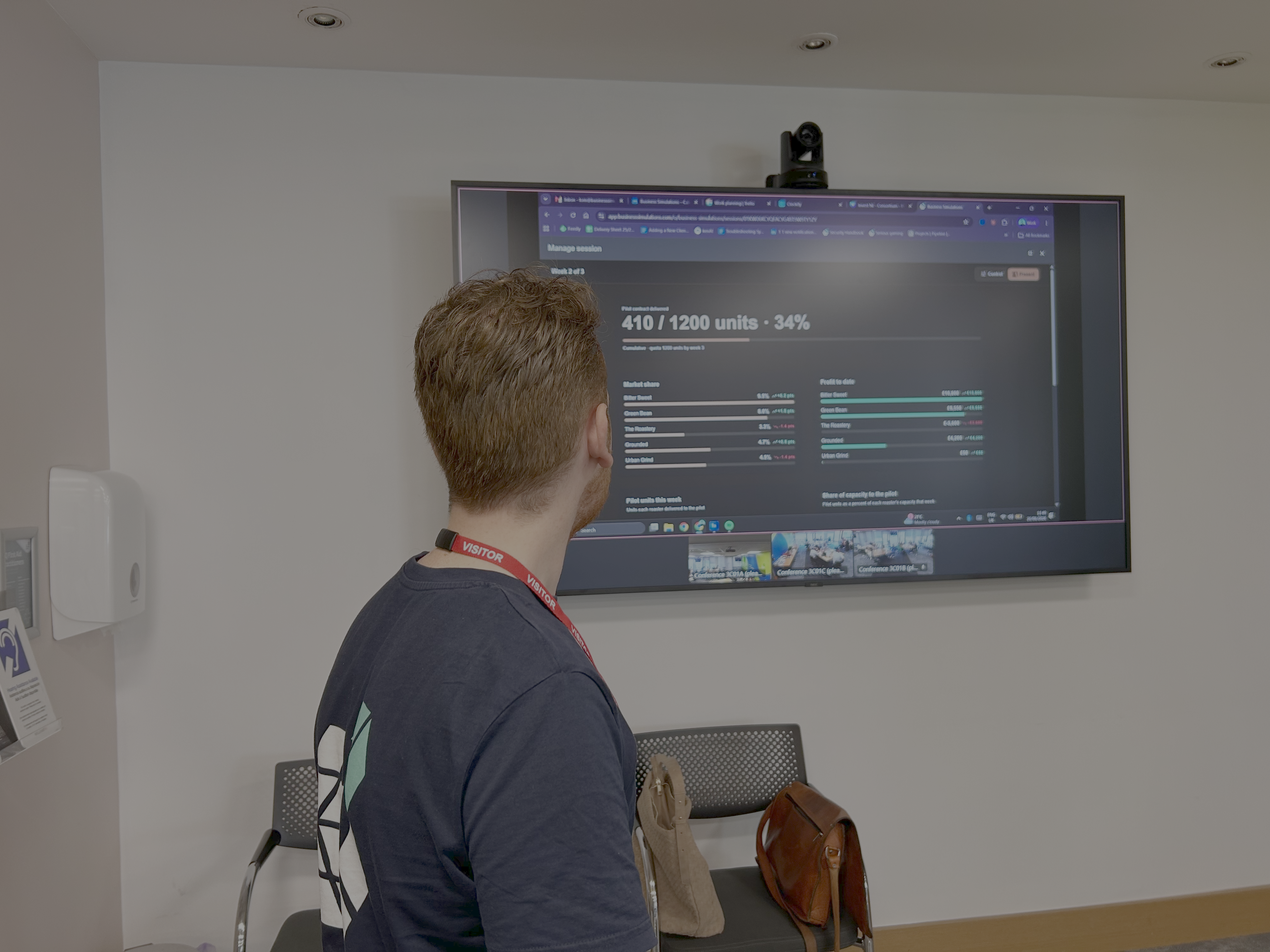
Engineers treat the organisation as a machine, and expect it to behave like one: consistent, measurable, predictable. That instinct is a real strength. Engineers bring rigour, an eye for detail and the discipline to repeat what has worked before. When a change programme needs a plan, clear milestones and an honest way to tell progress from wishful thinking, the engineer is the person you want in the room.
The blind spot is that engineers can let whatever is easy to measure crowd out whatever actually matters. Treat a living organisation as a clock and you will keep adjusting the mechanism, quietly baffled that the people inside it refuse to tick along on schedule.
The gardener
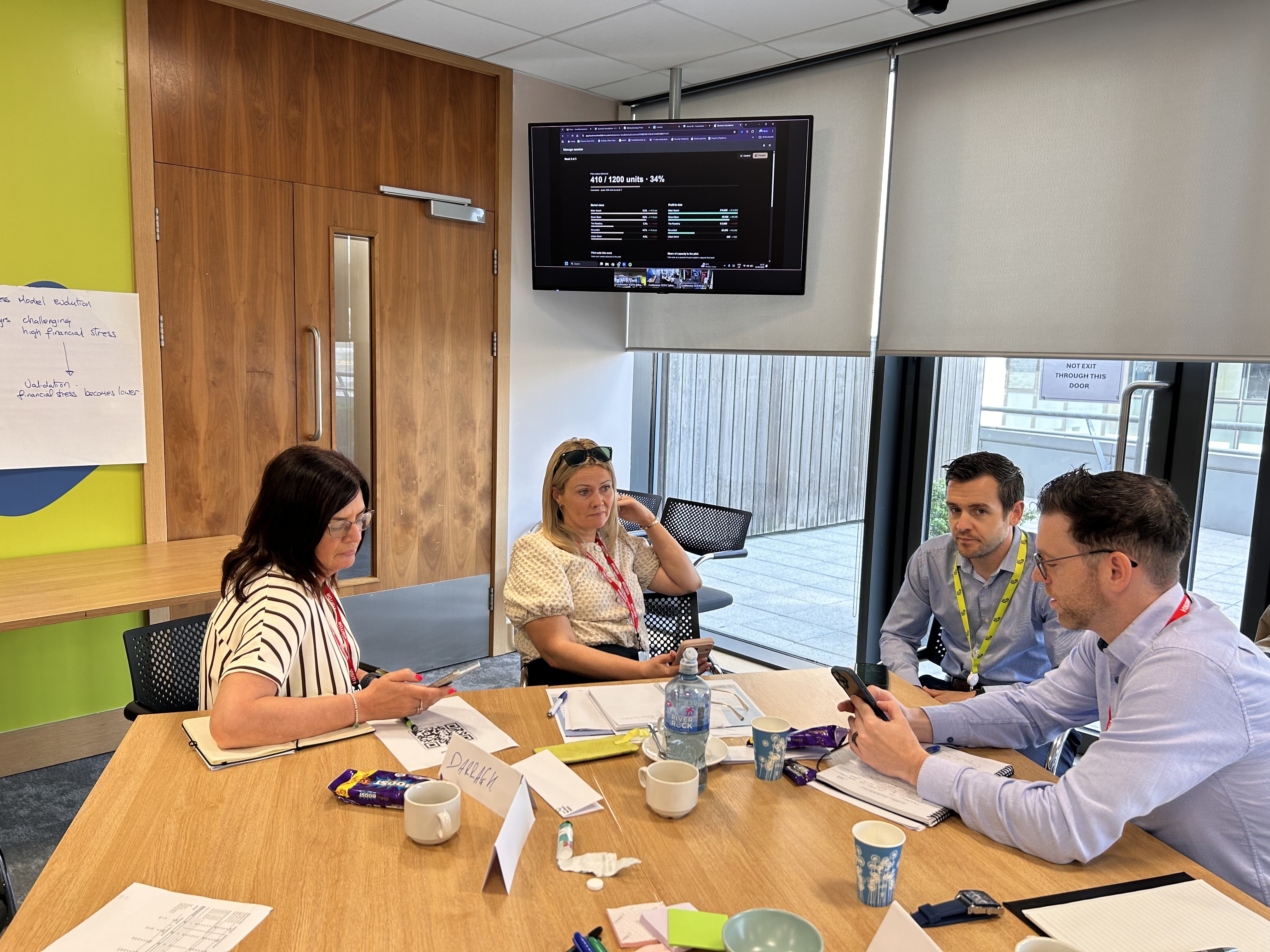
Gardeners start from the opposite instinct. They accept that an organisation is alive, and that living things cannot be commanded, only influenced. You do not so much manage a living system as perturb it, then watch how it responds. Gardeners read direction, mood and the health of the whole, and they understand that a change leader shapes conditions rather than issuing outcomes.
Their blind spot mirrors the engineer's. Gardeners can neglect measurement altogether, trusting the feel of things until some unattended detail grows into a problem that derails the plan. They also struggle to make the things they care about measurable, which makes progress hard to prove and harder to hold to account.
The best change managers are both
Ask who wins, engineer or gardener, and the honest answer is neither alone. Real organisational change needs both instincts in the same room. Gardeners understand the living nature of an organisation; engineers know how to take something that worked once and make it happen again, reliably. Lose the engineer and change drifts without traction. Lose the gardener and it stalls inside a spreadsheet.
What holds the two together is a clear, shared picture of what success looks like. Without it, the engineer is only tuning a clock and the gardener is only pottering in a border. With it, measurement and cultivation start pulling in the same direction.
How to build both mindsets in your change leaders
Temperament is hard to shift with a slide deck. It shifts when people feel the limits of their own instinct, safely, before a live programme puts real jobs and budgets at stake. That is what a good change simulation is for.
Influence puts a team through a nine-week change initiative in the space of an afternoon. They have to engage stakeholders, read resistance and make calls in real time, then live with the consequences. Engineers discover what their numbers were missing; gardeners discover where their instincts needed evidence. Because the setting is psychologically safe, people take risks they would never take at work, and because it is experiential and facilitated by our experts, the learning lasts: our simulations deliver up to 75% better retention than conventional training. You can see that in practice in how Hult Ashridge Executive Education used a change simulation with their leaders.
Explore the change management challenge to see how we help leaders combine rigour and judgement, or look more closely at Influence, the simulation at the heart of it.
So what is your own natural tendency, engineer or gardener, and what might it leave you blind to? And what about your team: is the mix right, or is it heavy on clock-winders and short of cultivators, or the other way round?
About the Author

Ken is an expert practitioner, author and speaker on collaboration, high-performing teams and game based learning.
Published Nov 6, 2018