Ten leadership tips for motivating your team when things are going badly
By Paul HookhamLast updated Sep 20, 2026
A team's motivation is hardest to hold onto exactly when it matters most.
Every L&D manager and team leader knows the pattern. A team starts a new project with real expectations, draws on real experience, and still hits a stretch where nothing lands: no wins, no visible progress, nothing to show for the effort. Morale dips. The questions start. Everyone is watching the leader for what happens next.
What you do in that stretch decides whether the team recovers stronger or simply survives it. Here are ten practical ways to rebuild motivation and momentum when a team has hit a rough patch, with one principle underneath all of them: lead the way you would want to be led.
One: reinforce your values
In a good run, values are easy to talk about. In a bad one, they are the only thing holding the team together, so say them out loud. Tell the team plainly what you value, that you believe they can turn this around, and why. It costs you nothing and it changes how the room feels.
Two: act
Actions carry more weight than words at this point. Decide what needs doing first, and do it visibly. A team in a rough patch does not need another meeting, working group, or steering committee; it needs to see its leader move.
'Well done is better than well said.'
Benjamin Franklin
Three: listen, properly
People do their best work when they trust they are being heard, not just tolerated. Nobody expects every suggestion to be acted on, but they do expect it to be considered, and to be told why when it is not taken forward.
'There is a difference between listening and waiting for your turn to speak.'
Simon Sinek
Four: ask for feedback, and use it
The leader does not have a monopoly on good ideas. The team is closest to the work and often has the clearest view of where things are breaking down. Create more than one way for people to raise it: some will speak up in a group, others only one-to-one. Offer both.
Five: hand over real decisions
Give people the decisions they are best placed to make, not just the ones that are safe to delegate. A leader cannot see or know everything, but can back the team's judgement and help them solve what they cannot crack alone.
Six: put your experienced people to work on this
A team blends people who have been through a rough patch before with people who have not. Give the former room to pass on what they know, in their own words, to the people around them. The more voices carrying the same message, the faster it lands.
Seven: make it safe to try things
'We have always done it this way' is the last thing a struggling team needs to hear. Progress comes from testing ideas, and a setback is information, not failure. Treat it that way in front of the team, not just in private.
'I have not failed. I've just found 10,000 ways that won't work.'
Thomas Edison
Eight: notice the small wins
Recovery rarely arrives as one big result. It is a series of small improvements that add up, so notice them as they happen and say so. A team that only hears about the big win at the end stops believing there will be one.
Nine: keep your nerve
- Never criticise the team to your own manager, the board, or anyone outside it. Talk about 'we', never 'they'
- Resist the urge to change everything at once. If things do improve, wholesale change means you will never know what actually worked
- Stay visibly positive. It is not the setback that defines the team, it is how it responds, and that response takes its cue from you
Ten: build this resilience before you need it
The best time to find out how your team handles pressure is not in the middle of a real crisis. Rehearsing a setback somewhere safe means the habits are already there when a real one arrives.
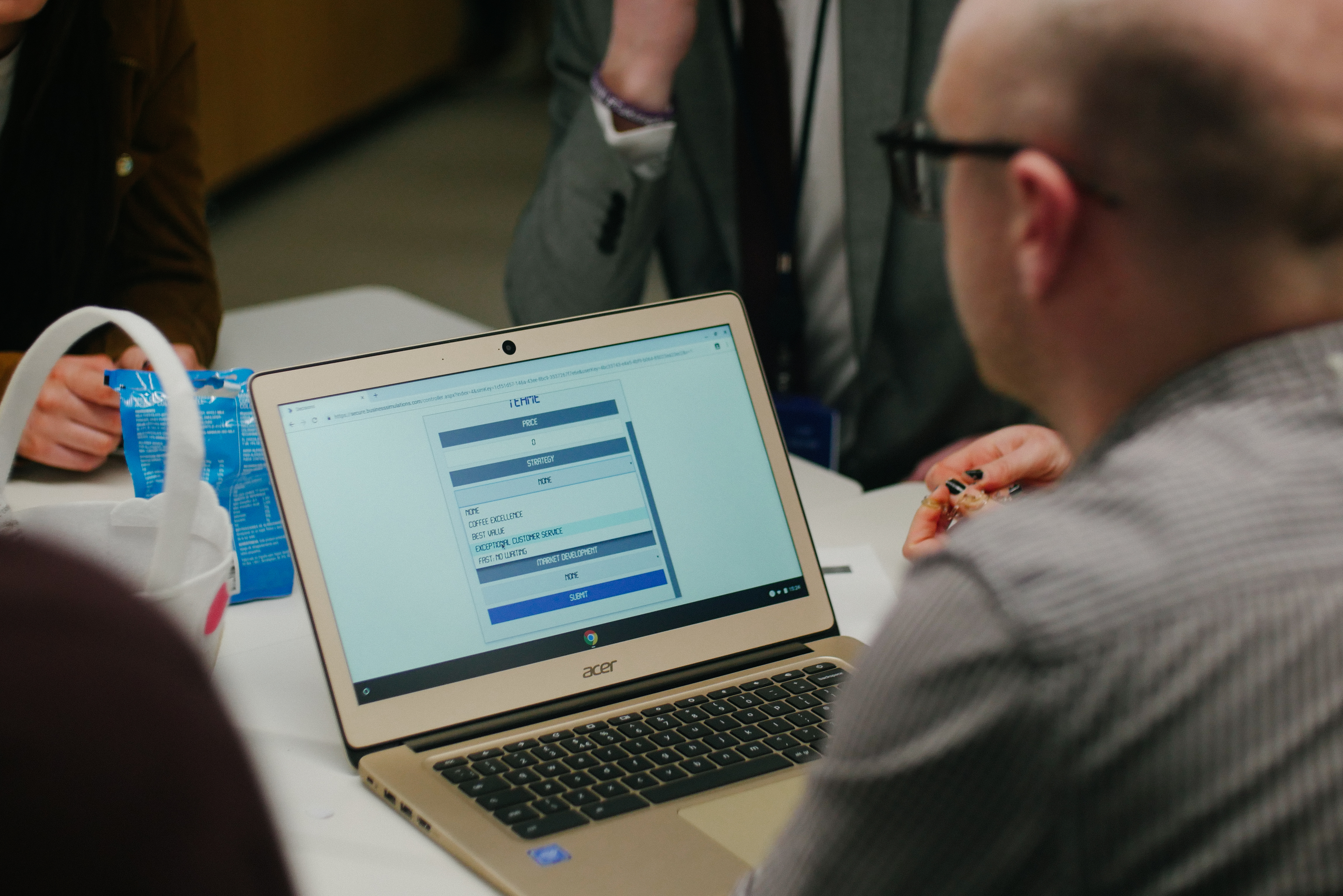
That is what a simulation like Cohesion is built for: it puts a team through exactly this kind of rough patch, under pressure but without real consequences, and gives them the chance to practise leading each other out of it before they have to do it for real.
Give your team a safe rehearsal for the real thing
If your team is already in a rough patch, the ten steps above will help. But the stronger position is to have built the resilience before you needed it.
Our high-performing teams simulations are immersive, live and in-person, and facilitated by our experts, and they exist to put a team through pressure, setbacks, and recovery while the stakes are still safe. If you would like to talk through how one could prepare your team before things get tough, we would be glad to help.
About the Author

Paul Hookham is a highly experienced business and IT delivery executive with an outstanding track record, working for some of the world's most demanding customers. Paul is passionate about quality and believes people do their best work in an empowered, blame-free, supportive and learning environment. He is a Master Practitioner and Master Coach of Neuro-Linguistic Programming (NLP), a published author, an experienced speaker, and a Senior Associate with Business Simulations.
Published Oct 11, 2018