How seven businesses in food and consumer goods use simulations to build commercial acumen and leadership
By Emily McDaid
The food and consumer sector runs on fine margins and fast decisions. Whether the product is flour, tea, eggs, or a basket of groceries, success depends on people who can read a market, maintain costs, effectively manage supply chains, and make sound commercial calls under pressure. Yet many of the talented people doing this work come up through technical or functional routes. Experiential learning is essential in this pathway. The leap from a functional or operational role to strategic, enterprise-level thinking is rarely made in a classroom.
That is where our facilitated business simulations have come in for leading food and consumer brands. Across seven very different businesses in this sector, the same approach has produced the same outcome: leaders who think more commercially, and lasting learning that brings them to the next level.
Allied Mills: reading the commodity market
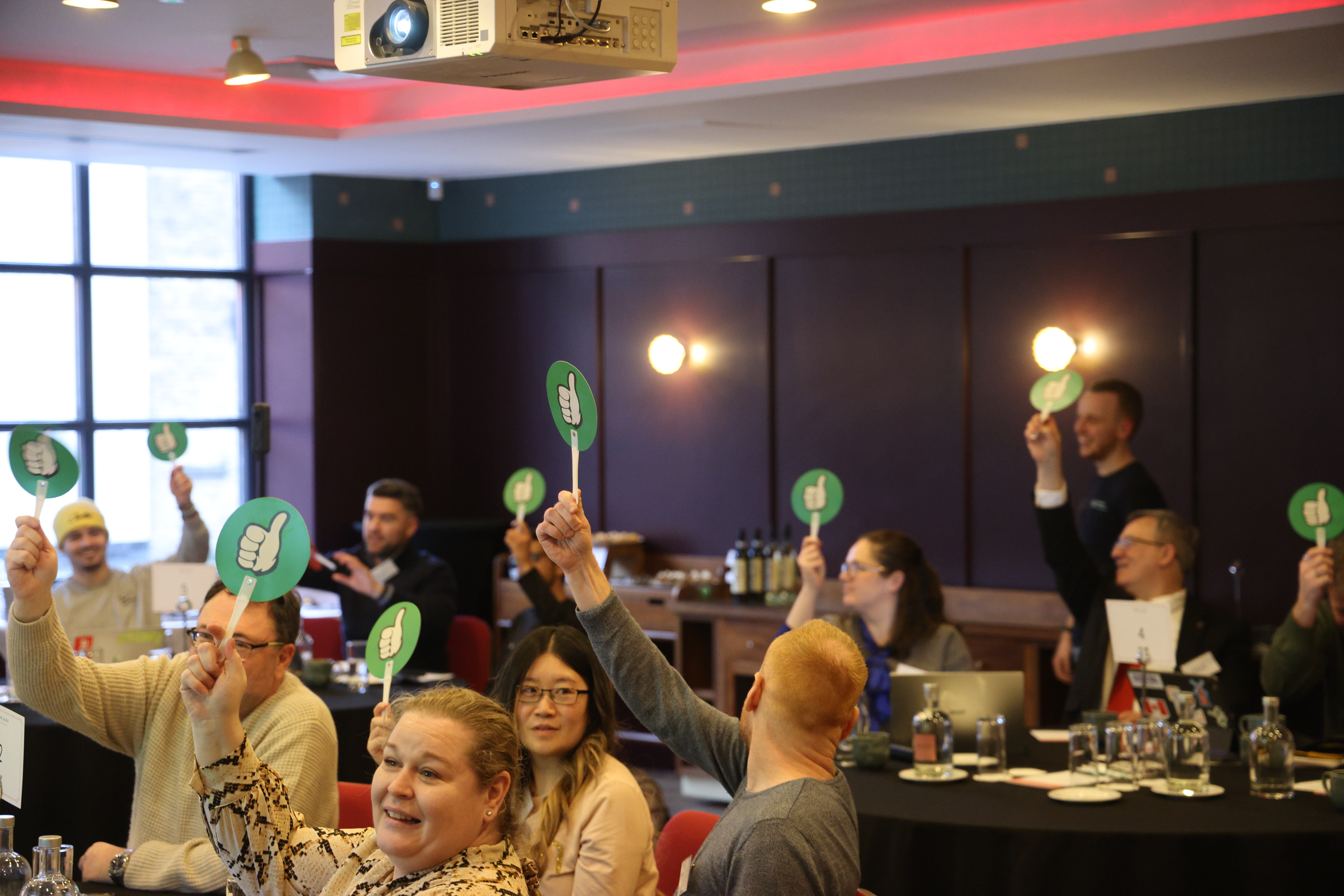
Allied Mills supplies flour to some of Britain's best-known bread brands. The company ran The Wheat Game at its annual strategy event for several years, based on a custom simulation we built on a detailed model of the milling business. In the simulation, teams run a flour mill across a year, making the calls that define the business, such as when to buy wheat forward, how to grist recipes, how to manage stock, and when to bid for customer contracts. Judge the market wrong and everything becomes difficult, as more than one participant discovered. The Managing Director described the resulting engagement from his managers as 'really quite amazing'. Read the full case study here.
Twinings: performance management
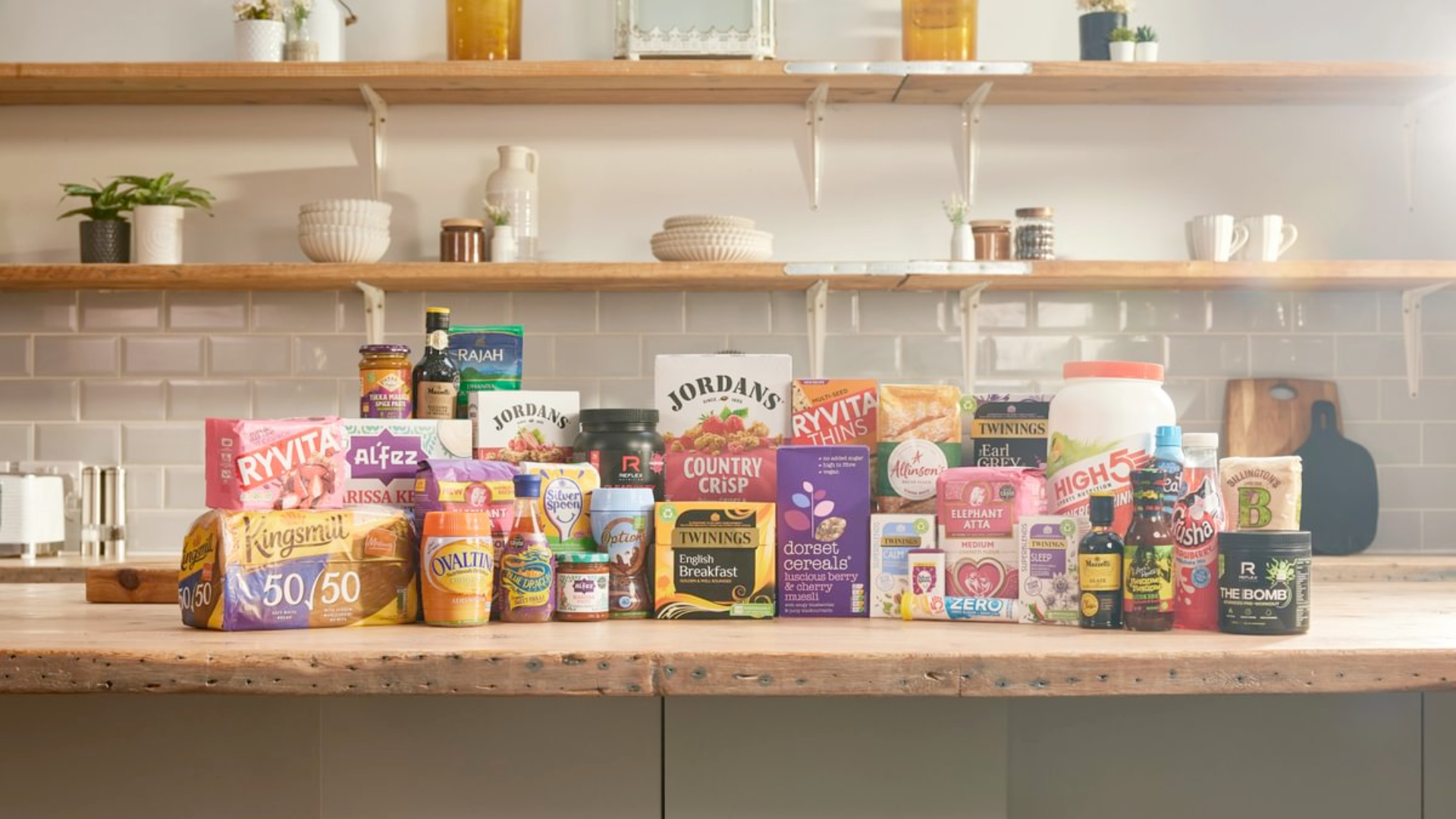
Twinings, world famous for its teas and trading from the same address on the Strand in London since 1706, dedicated two days of its leadership programme to Consume. This custom simulation asks teams to run country businesses over three years. In the simulation participants weigh pricing, product mix, market-share growth, and long-term organisational health. Run with more than 20 teams, the simulation revealed what the best performers did differently: they made evidence-based decisions, held to a coherent strategy in difficult conditions, and stayed open to learning from rivals. The International HR Director valued how easily the learning transferred to the workplace, precisely because it belonged to the participants. Read the full case study here.
SPAR: the whole shop in a single day
SPAR, the convenience retailer operating across the UK, Ireland, and Europe, worked with us via the Henderson Group, which runs the franchise in Northern Ireland. Leaders wanted store managers to invest more in developing their people and in customer service. The answer was SPAR WARS, a bespoke business-unit management simulation that compresses four months of running a convenience store into a single day, with managers balancing service-level KPIs, financial performance, and where to move resources next. The Group HR Director noted that he experienced greater engagement and benefit than from other forms of training. Participants described sharper commercial awareness and a clearer view of the whole business. Read the full case study here.
ABF: scaling commercial confidence globally
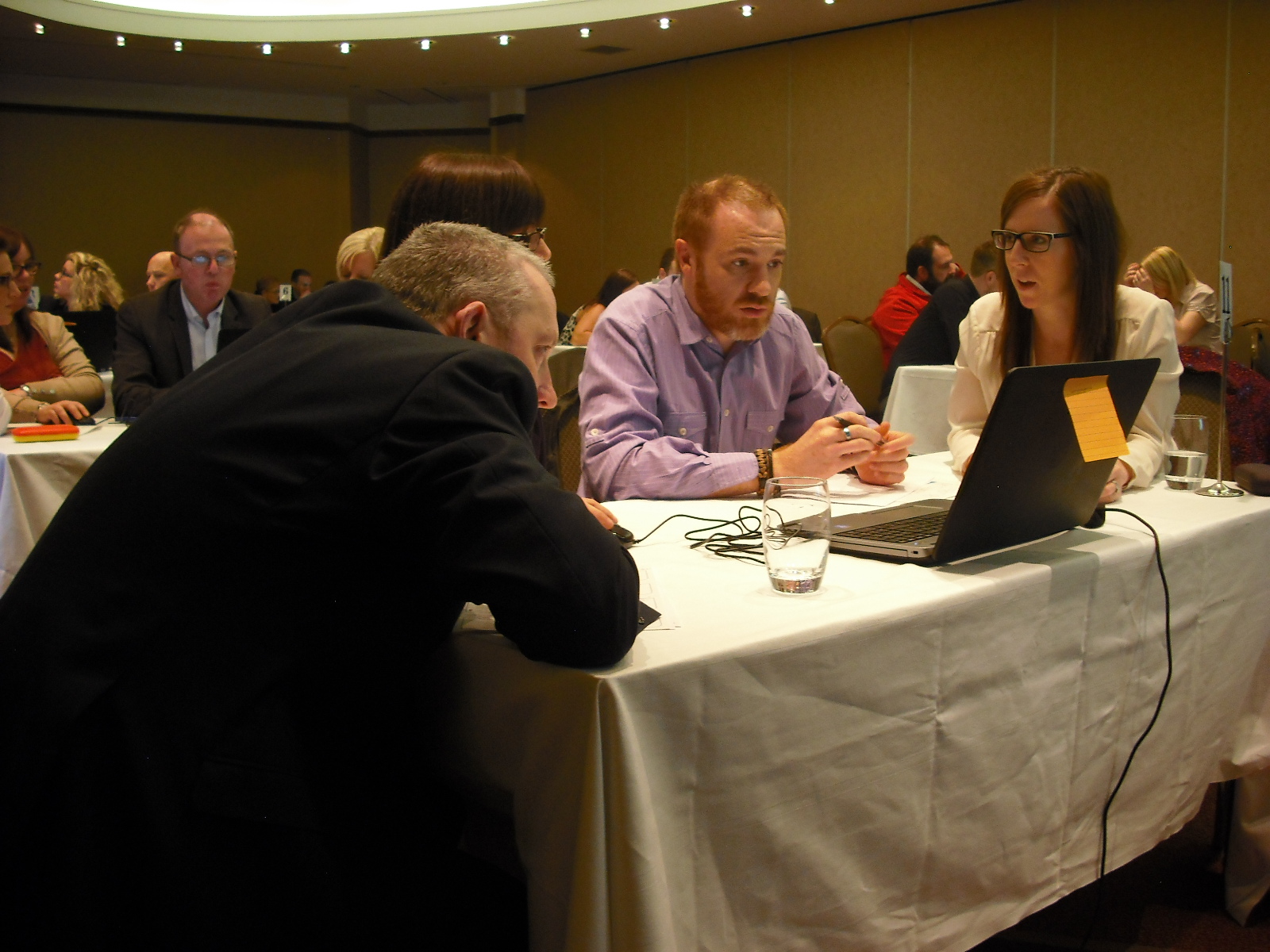
The most extensive example of our tailored business simulations for food and consumer goods companies is with Associated British Foods. ABF is a diversified international group that employs more than 130,000 people across more than 50 countries. We’ve partnered with ABF for more than 10 years. To develop high-potential talent in HR and Finance, ABF pairs our off-the-shelf Acumen simulation with a tailor-made simulation built around its own business, delivered in-person as well as virtually. Participants build confidence with financial data and strategic decisions, and alumni still name it among the most memorable parts of their development in the company. ABF’s Executive Development Manager values the safe space it creates for leaders to step outside their roles and practise strategic thinking, delivering the psychological safety that we prize so highly in our simulations. Read the full case study here.
Beyond the named: three further relationships in the sector
Our customers in the food and consumer sector extend further still. A global food ingredients company has run our business acumen simulation with senior sales staff, building the commercial understanding that helps them have more effective conversations with customers. A major UK supplier of eggs and fresh food has embedded two of our simulations into its annual leadership development programme over a number of years. Our simulations have supported their leaders at different stages with business acumen, financial literacy, and broader business awareness. A leading organic sugar producer has drawn on a wide range of our simulations across an eight-year relationship. This customer has taken on simulations for building high-performing teams, managing change, influencing and engaging with stakeholders, and more, reflecting a sustained commitment to developing capability across different functions and leadership levels.
These three businesses have benefitted from the same underlying logic: lasting commercial learning, built through experience rather than instruction.
The common thread
Milling, branded goods, convenience retail, and ingredients companies are all different businesses, but the leadership challenge underneath them is shared. Our simulations have helped leaders to see the whole enterprise, read the market, and make commercial trade-offs without betting the real business on the outcome. A challenging, immersive simulation, grounded in the sector's realities, gives leaders a valuable rehearsal in a psychologically safe environment.
The consistent result is that experiential learning that lasts well beyond the day of the simulation.
Published case studies in food & drink, and consumer goods
About the Author

Emily McDaid is a marketing communications expert with more than 20 years experience working with technology and engineering businesses.
Published Jun 30, 2026