The IDEAS model of innovation, and three simulations that build it
By Ken ThompsonLast updated Oct 6, 2026
Innovation is hard to teach because it is not a single skill. It is a system: good ideas, turned into something real, taken up by people, inside an organisation whose leadership and structures either help or get in the way. Teach only one part and the rest quietly undoes it.
A simple map helps. We use a model called IDEAS to break innovation into five elements a leader can actually work with, then a set of business simulations that let teams practise them under realistic pressure.
The IDEAS model of innovation
IDEAS stands for ideation, design, environment, adoption and structures. The five fall into two groups that do different jobs.
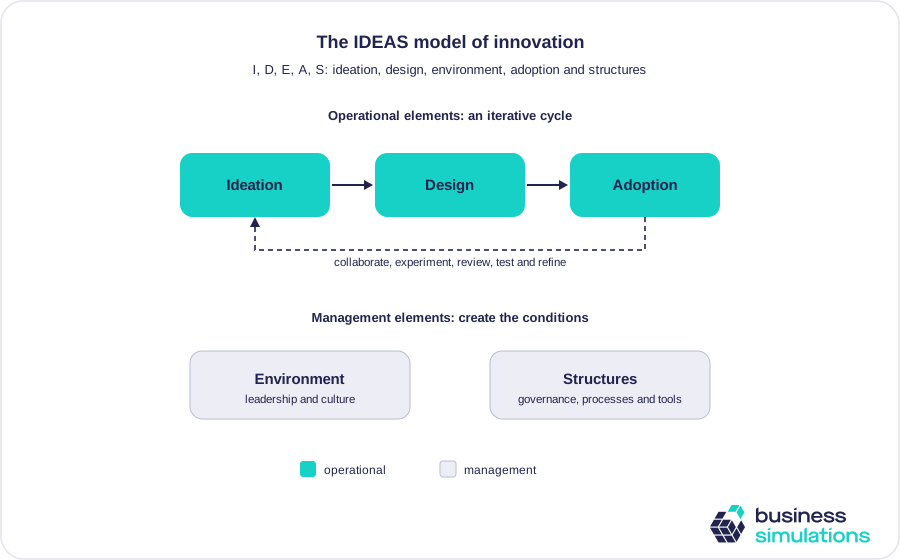
The operational elements are ideation, design and adoption: the work of innovation itself, generating ideas, turning them into something real, and getting people to take it up. They are not a tidy sequence but an iterative cycle of collaborating, experimenting, reviewing, testing and refining.
The management elements are environment and structures. Environment is the leadership and culture around the work. Structures are the governance, processes and tools that support it. On their own they innovate nothing, but they create the conditions in which the operational cycle succeeds or stalls. Most stalled innovation programmes are not short of ideas. They are short of the environment and structures to carry those ideas through.
Three simulations for practising innovation
Each of these business simulations targets a different part of the IDEAS model, so you can match the simulation to the capability you want to build.
Innovate: the operational cycle
Innovate has teams shape and execute an innovation strategy and bring new value to market, moving through ideation, design and adoption under real constraints. It is the closest fit to the operational heart of the model.
Dilemma: innovation under competition
Dilemma is a configurable strategy simulation in which several businesses compete for market share through commercial judgement, strategy and product decisions. Across its rounds, teams face a developing story of market and product challenges, and are measured not only commercially but on organisational health and reputation, so the management elements matter as much as the ideas.
Influence: environment and structures
Influence is a change leadership simulation that puts you in charge of winning stakeholder support for a major change, such as creating a culture of innovation. Each stakeholder has a different level of power, influence and attitude, and you make direct and indirect interventions to bring them with you. It is how leaders practise building the environment innovation needs.
Build the capability, not just the awareness
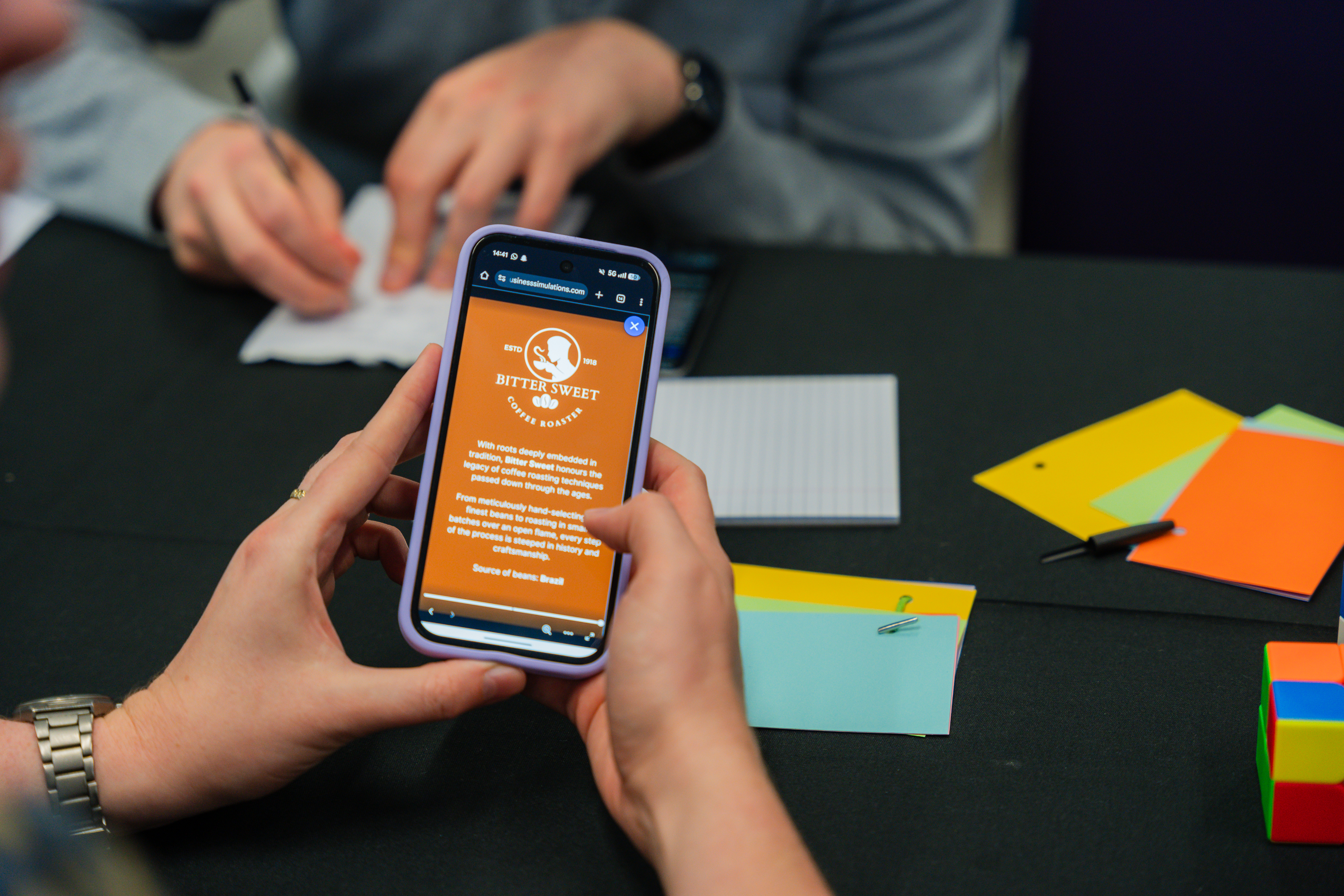
Reading about innovation changes little. Practising it, and living with the consequences, is what builds capability. Our business simulations are immersive, live and in-person, and facilitated by our experts, so teams learn innovation by doing it in a safe but challenging setting.
If you are developing leaders and teams who need to innovate under real conditions, the strategic thinking challenge is the place to start, with Innovate the simulation built most squarely for it.
About the Author

Ken is an expert practitioner, author and speaker on collaboration, high-performing teams and game based learning.
Published Sep 12, 2020